
Avoid generic container counts
Plan the packed configuration, container, and destination as one system
Container loading for stackable steel pallets cannot be responsibly planned from a product-family image or a general pallet label. The planning basis is the selected configuration in its actual shipping state: assembled-empty, assembled-loaded, folded, nested, disassembled, or bundled as applicable. That state needs verified external dimensions, protrusions, packaging, protection, component retention, and mass information. It then needs to be compared with the nominated container or vehicle, its current internal and door dimensions, payload or gross-mass constraints, floor/load-distribution considerations, restraint points, and route requirements.
The destination unloading method is equally important. A shipment plan should show how the first unit is reached, what forklift or attachment is available, whether doors, dock, ground, or aisle clearances affect the removal sequence, and how empty units will be returned or reassembled. This guide explains the questions that need to be answered before any quantity or loading pattern is presented as an approved plan.
Reference configuration
Export loading-plan record for stackable steel pallets
Use a controlled record for the exact shipment state. Do not convert an illustrative product image into a container count or transport claim.
| Configuration field | What the project record should show |
|---|---|
| Configuration and shipping state | Identify selected model/configuration, drawing revision, and whether it is assembled, loaded, folded, nested, disassembled, or bundled for the proposed shipment. |
| Verified external envelope | Record packed external length, width, height, tolerances, protrusions, loose components, packaging thickness, and handling clearances for the shipping state. |
| Mass and support | Record pallet tare, payload where applicable, bundle or total cargo mass, load distribution, support points, and separate operating ratings from shipping mass. |
| Packing and protection | Show dunnage, covers, component retention, edge protection, labels, stacking/spacing, and cargo-restraint method for the proposed route. |
| Container or vehicle | State nominated equipment, current internal and door dimensions, payload/gross limits, floor/load-distribution requirements, anchor points, and carrier or route constraints. |
| Destination unloading | State available truck/attachment, access, door or dock clearance, removal order, ground condition, reassembly or return handling, and receiving responsibility. |
Structure and operating map
Loading-plan map: shipping state to destination recovery
The plan should show the actual packed unit and the physical interfaces that affect both loading and unloading.
Shipping-state envelope
Show the selected product in its packed assembled, nested, folded, or bundled state with external dimensions and protrusions.
Load pattern and mass
Show the proposed rows, levels, orientation, package mass, support/dunnage, and any mass-distribution assumptions.
Protection and restraint
Show what protects finish and components, what retains loose parts, and how cargo is restrained for the actual equipment and route.
Unloading sequence
Show access to the first unit, required truck or attachment, clearance, removal order, and destination recovery/reassembly route.
Select the shipping state first
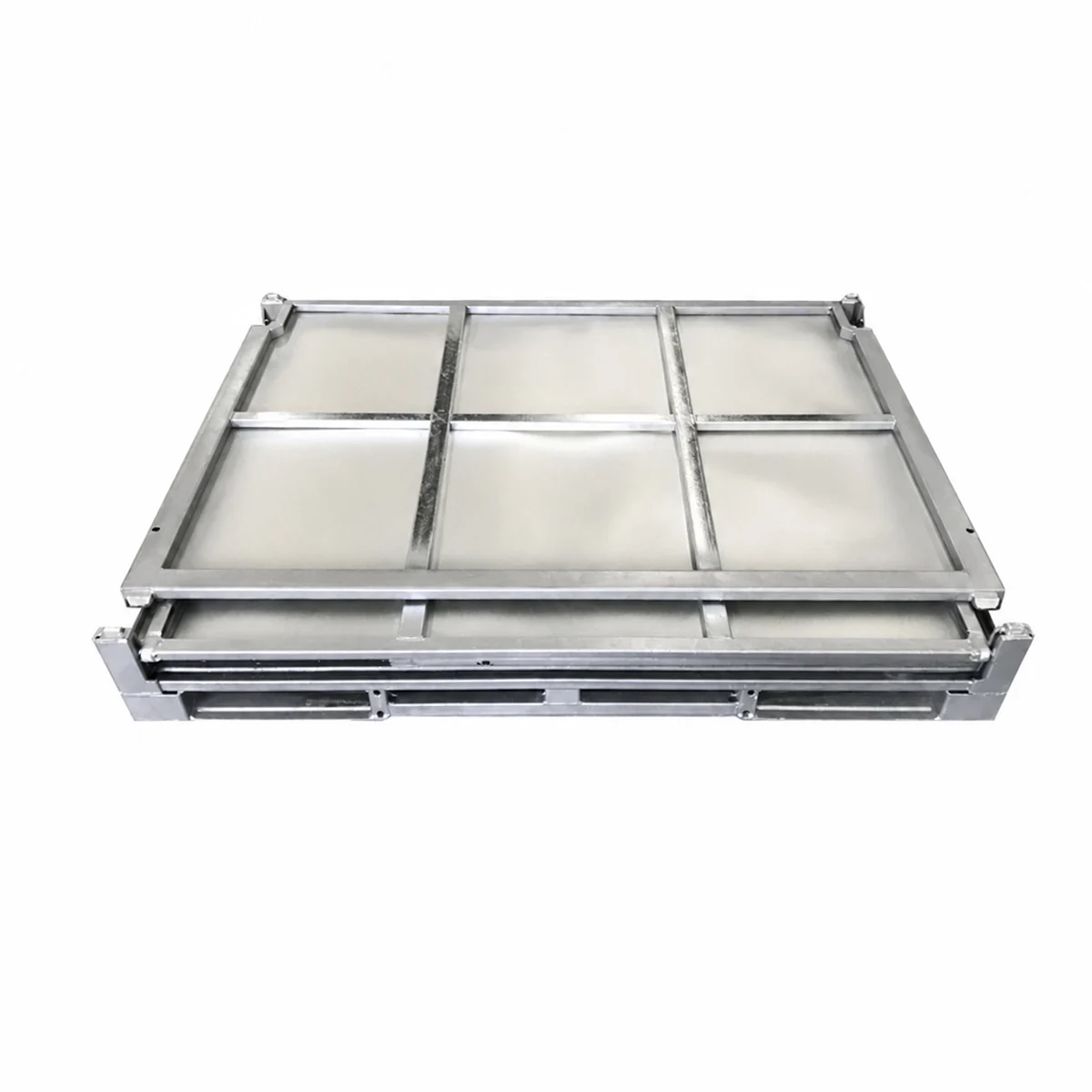
An assembled, nested, folded, or bundled pallet has a different envelope
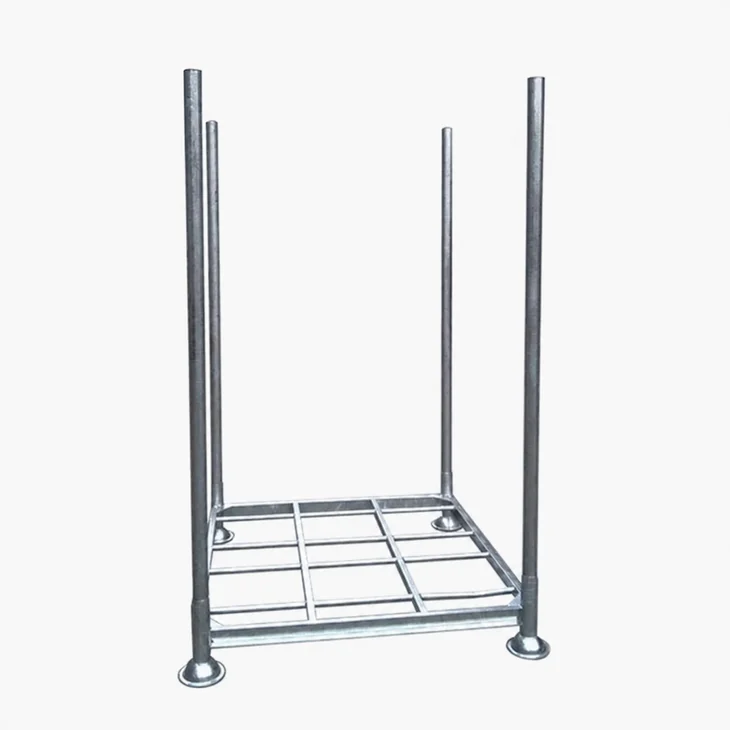
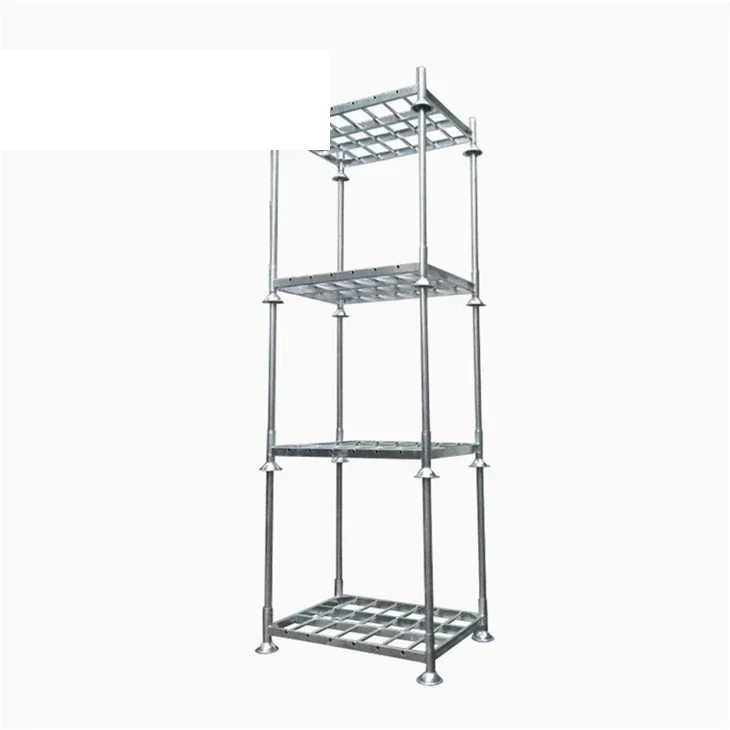
Before planning a load pattern, identify the actual state in which the product travels. A stackable post pallet might ship assembled, with posts removed, or in another approved state. A pallet box may be fixed, folded, or supplied with loose panels. A nestable design may travel in an empty nested group but still require a different arrangement when loaded. The selected drawing and packing record need to identify exactly which state applies to the shipment under discussion.
Measure the complete packed external envelope, not only the nominal product body. Include protection, dunnage, wrapping, labels, corner features, retained components, and any clearance needed to lift or remove the package. Verify actual mass information and distinguish it from a pallet’s handling or storage rating. These facts form the input for a container or vehicle plan; without them, a numerical loading claim is only a rough illustration.
- State the configuration revision and each shipping state.
- Measure packed external L × W × H, including protrusions and protection.
- Separate actual package mass from pallet capacity or payload statements.
- Record whether posts, panels, lids, dividers, or protective components travel separately.
Container and restraint planning
Validate the actual equipment instead of relying on a generic container sketch
The nominated container or vehicle should be verified for its current internal and door dimensions, permitted payload and gross mass, floor condition, load-distribution considerations, anchor points, and route constraints. Equipment types and carrier requirements can vary, so the loading plan should identify the actual equipment reference used for the proposal. If the arrangement changes to a different container, vehicle, or route, review the assumptions again rather than transferring the previous plan unchanged.
Protection and restraint are separate tasks. Protection keeps a finished product, post, panel, or edge from damage; restraint controls movement of the package in the vehicle. The packing plan should show both. It should identify support or dunnage, spacing, covers, loose-component retention, labels, and the approved cargo-control method. This is particularly important where a stackable or removable-component product changes state between factory, transport, and destination.
Destination unloading
Begin the load plan with the first unit out, not the last unit in
Destination recovery influences the loading pattern. The receiving site may use a different forklift, attachment, dock, or ground condition from the origin. It may have limited door clearance, narrow aisles, or a required removal sequence. Ask what equipment is available, whether it can enter the container or reach the first package, how a loaded or empty unit will be supported on removal, and where any posts or loose components will be staged for reassembly.
A finished plan should include the unloading assumptions and responsibilities, not only the factory loading image. This helps avoid a situation where a package fits the vehicle but cannot be recovered safely or efficiently at destination. It also supports a cleaner returnable flow because the empty units, covers, dunnage, and components can be identified for the next cycle.
Release control
Keep the container plan tied to its drawing revision and shipment facts
A container plan should identify the selected product drawing, shipping state, packing drawing or list, nominated equipment, package dimensions and mass data, load arrangement, protection and restraint approach, and destination unloading assumptions. Any change to the product geometry, post arrangement, packing method, container, vehicle, or route may change the plan. Keeping these facts together creates a traceable basis for review rather than a one-time illustration.
For a repeat programme, use the plan as a controlled reference with a clear revision. Operations can note actual loading and unloading observations, while purchasing can ensure a repeat order has the same packaging scope. If a shipment includes client-sensitive data or controlled technical information, use the appropriate approved channel rather than uploading it through a public form.
Project sequence
A container-loading planning sequence
The plan becomes credible only after the product, packing, equipment, and destination information agree.
- 1. Freeze the shipping state
Identify the exact selected configuration and whether it ships assembled, nested, folded, disassembled, loaded, or bundled.
- 2. Verify package facts
Record packed external dimensions, protrusions, mass, protection, loose-component retention, and handling points.
- 3. Verify transport equipment
Confirm actual container/vehicle dimensions, payload/gross limits, floor/anchor conditions, route constraints, and allowed load pattern.
- 4. Plan unloading and release
Confirm the receiving equipment, access, removal sequence, reassembly/return process, protection and restraint, then retain the approved plan with its revision.
Product visual reference
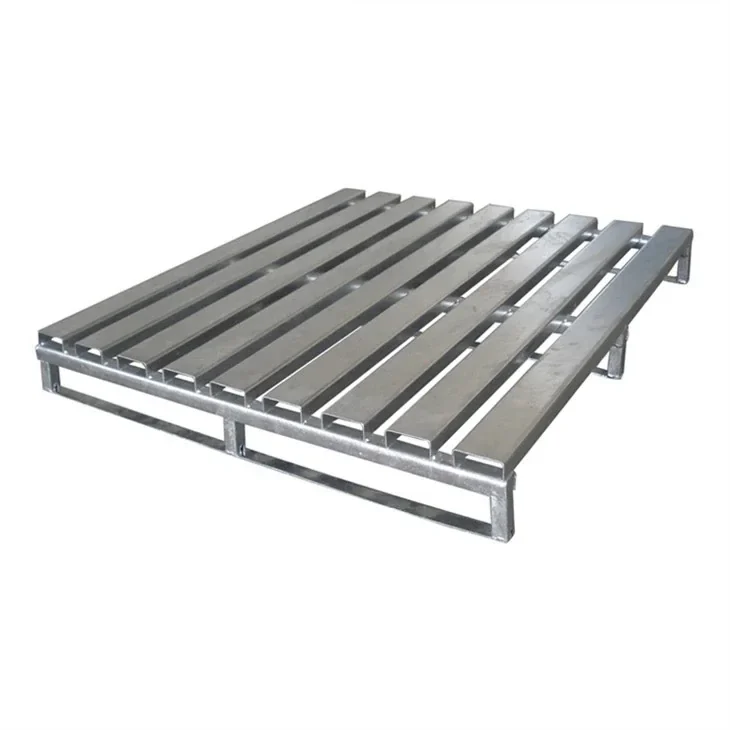
Illustrative product forms with project-specific captions
Procurement and qualification
Request a packing plan, not a generic container quantity
Ask for a shipping-state drawing, packed dimensions, mass information, packing list or drawing, protection and restraint description, nominated equipment basis, and destination unloading assumptions. A meaningful container plan should be traceable to these facts. Do not compare suppliers using an unverified container count that may exclude packaging, clearance, local restrictions, or a different product state.
For future repeat orders, retain the approved packing and loading plan alongside the product configuration and destination notes. This helps keep factory packaging, forwarder coordination, and receiving operations aligned when the order quantity or route changes.
Frequently asked questions
Questions to resolve before requesting a quote
Can a website state how many stackable steel pallets fit in a container?
Not responsibly without the selected configuration, packed external dimensions, mass, shipping state, nominated equipment, restraint, and destination assumptions. A project loading plan should be used instead.
Is a pallet capacity the same as the package mass for export?
No. A handling or storage rating is separate from the actual packed mass of the shipment. Both need to be recorded for a credible transport plan.
What must be verified for destination unloading?
Confirm forklift or attachment, door/dock/ground clearance, access to the first package, removal order, staging space, and any reassembly or return handling requirement.
What information should we send for an export packing discussion?
Send the selected drawing, shipping state, packed dimensions and mass if available, photos of the goods, protection needs, proposed container or vehicle, destination unloading equipment, quantity, and route constraints.