China manufacturer · engineering input · export-ready RFQ support
Steel Pallets, Stillages & Custom Transport Racks
Select or configure steel pallets, pallet boxes, post racks, stillages, skids, and racking around your dimensions, load distribution, handling equipment, storage position, and transport route.
Project contact: Peter · WhatsApp +86 151 9045 1115 · Email qdlookingforward@gmail.com
Start with the product family
Choose the handling unit first, then refine the configuration.
Steel pallets are the primary product route. Racking is available where the storage position, access pattern, and unit-load interface must be planned together. Every product page links the visible form to the support, handling, stack, access, finish, and return questions that affect a real RFQ.
Steel pallet system
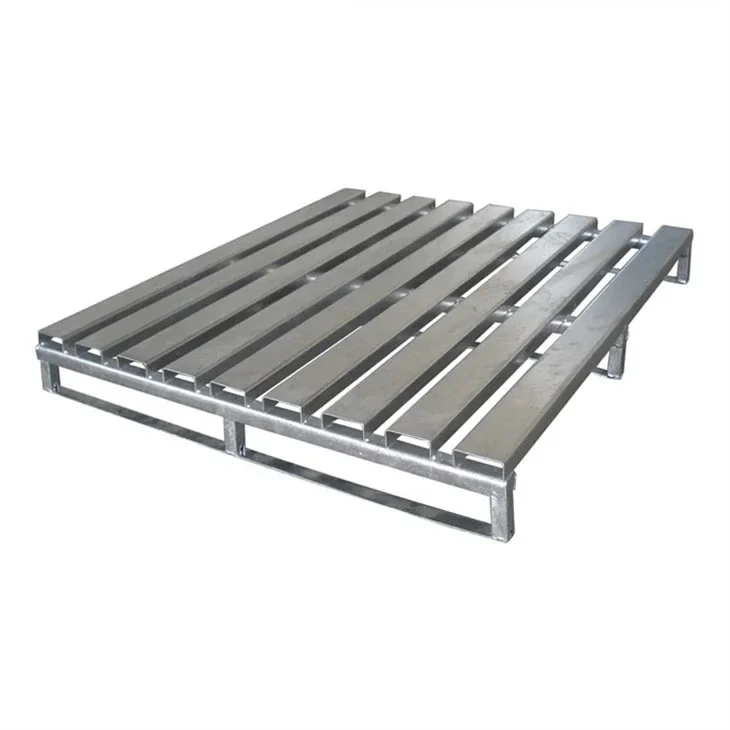
Heavy Duty Steel Pallets
Load platforms reviewed around deck contact, lower-frame support, fork entry, and floor, rack, stack, or transport conditions.
View configuration guide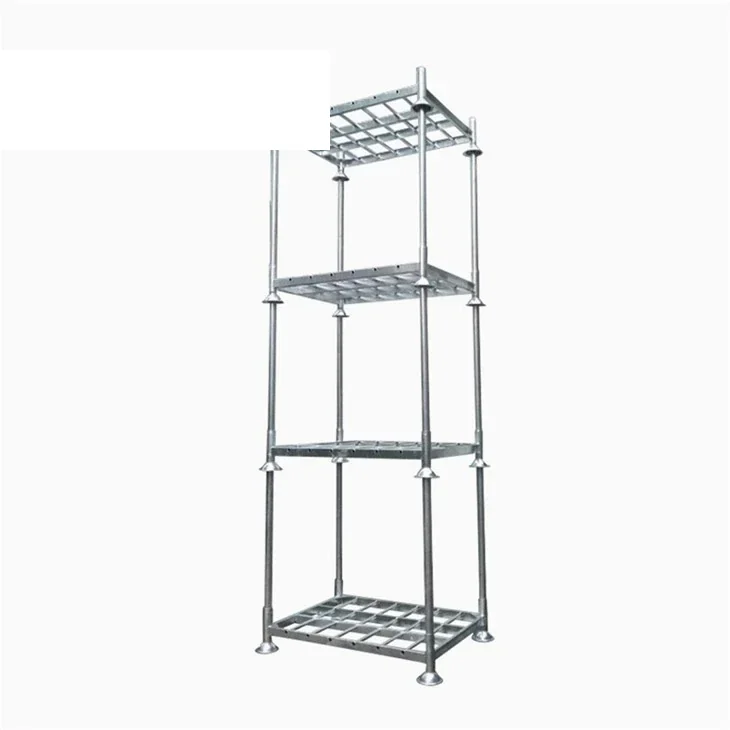
Steel pallet system
Stackable Post Pallets
Base-and-upright carriers for a defined loaded storage envelope and a separately planned empty-return state.
View configuration guide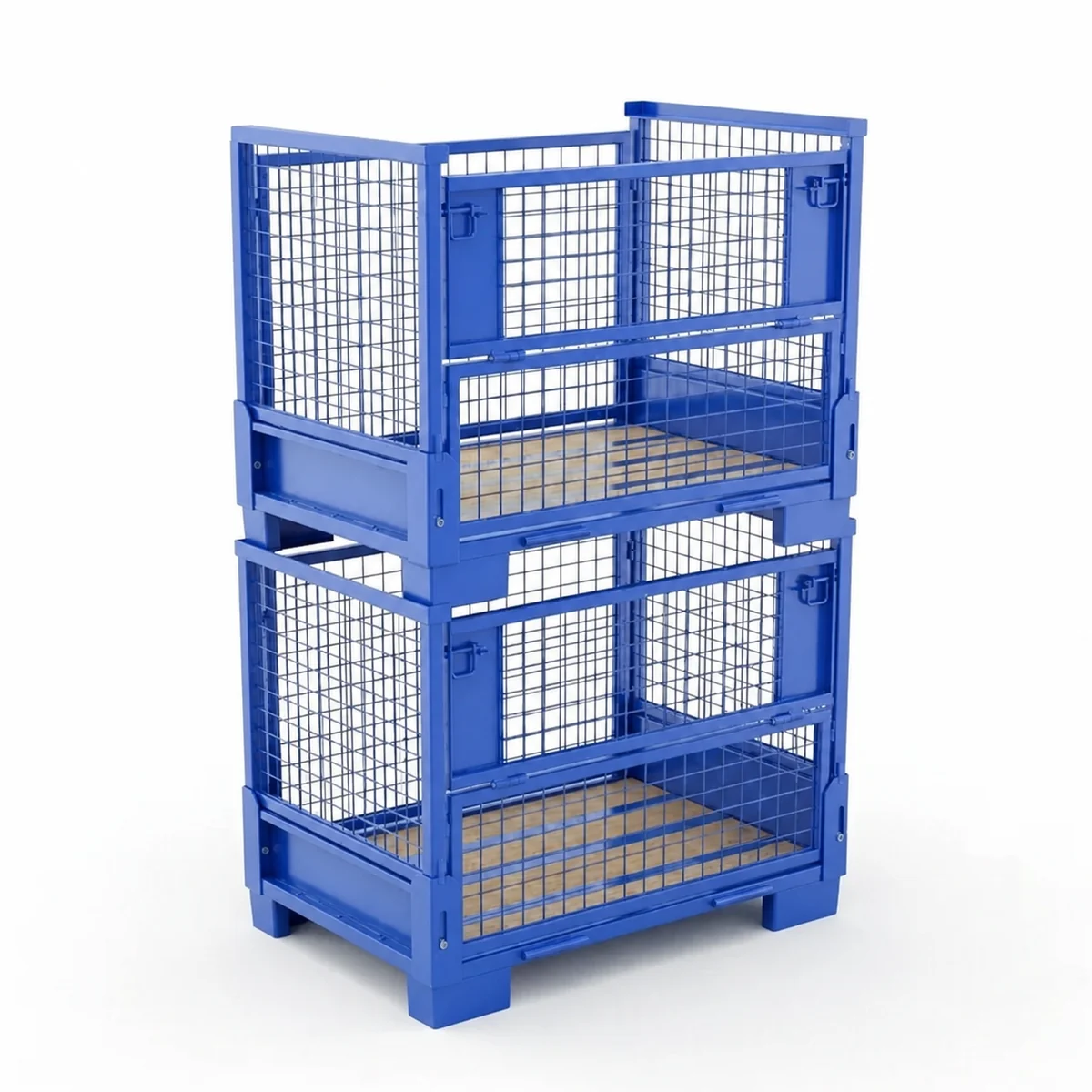
Steel pallet system
Steel Stillages
Part-specific carriers for controlled contact, containment, access, dividers, dunnage, and repeatable industrial handling.
View configuration guide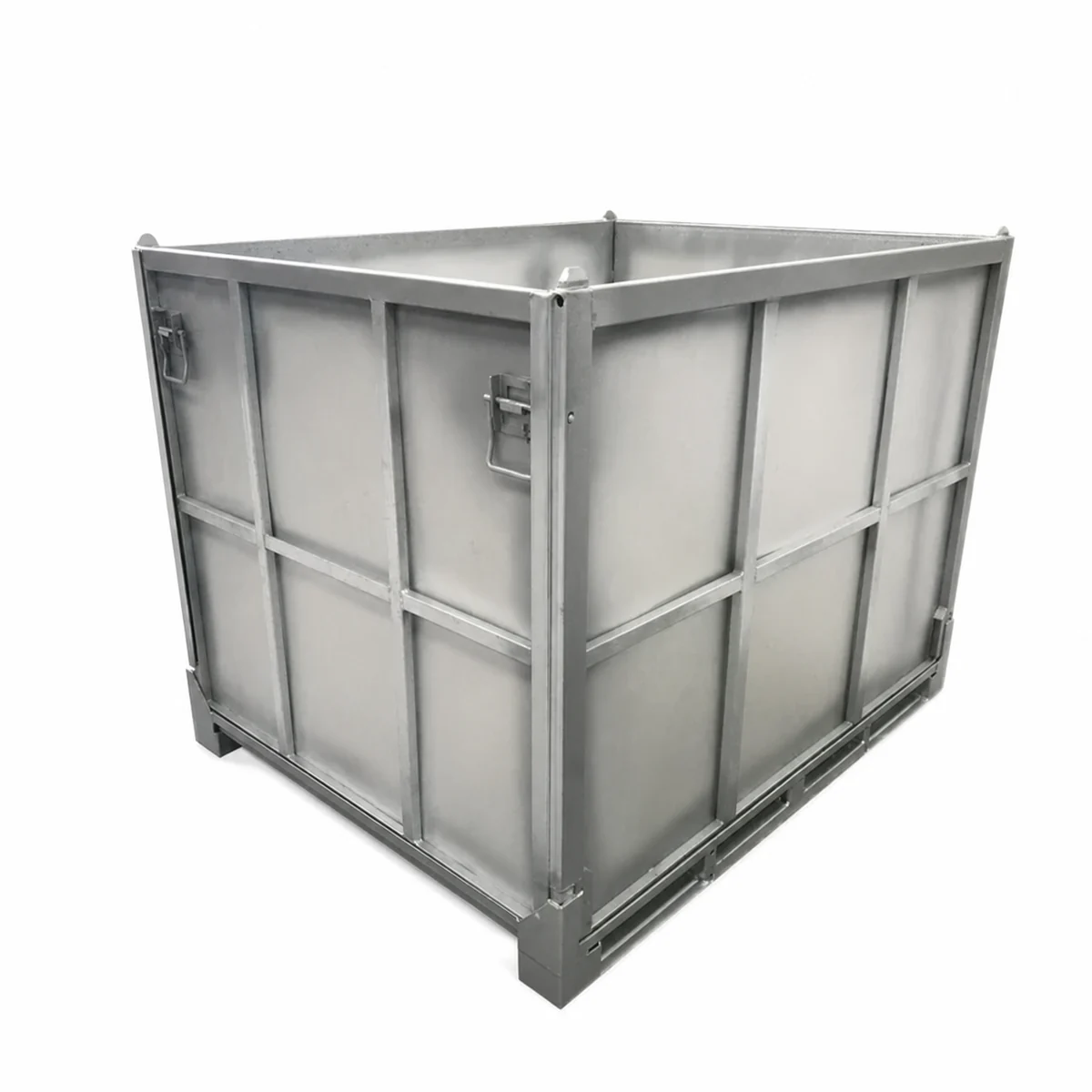
Steel pallet system
Collapsible Pallet Boxes
Contained returnable platforms where panel, fold, access, product protection, and empty-return requirements are reviewed together.
View configuration guide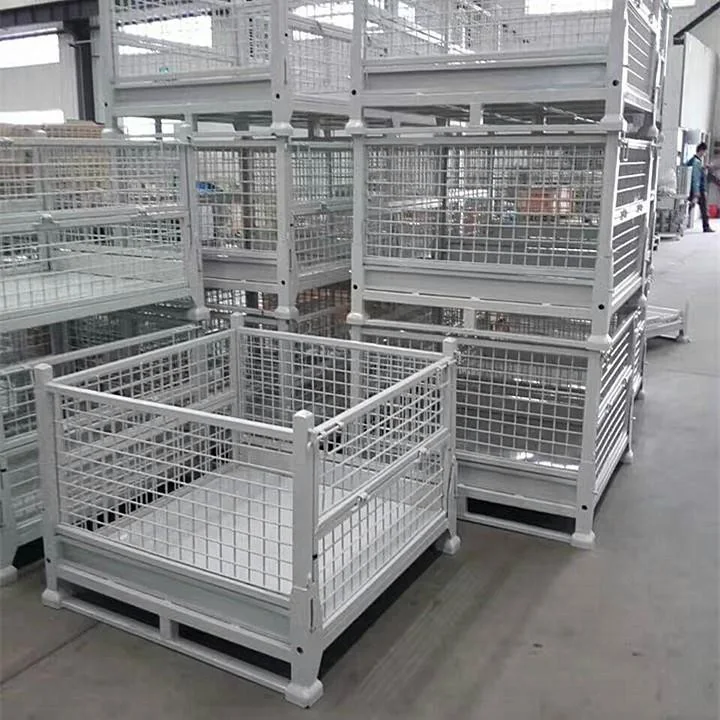
Steel pallet system
Custom Automotive Transport Racks
Returnable transport concepts for component orientation, product protection, access, and supplier-to-plant handling routes.
View configuration guideSteel pallet system
Steel Skids
Equipment and machinery support frames developed around mounting, lifting, storage, transport, and destination interfaces.
View configuration guideCore product scope
Built around the actual material flow.
A flat steel pallet may suit a regular unit load. A stillage can add part-specific support, containment, access, and product protection. A pallet box can define a clear internal space and panel arrangement. A removable-post pallet can create a vertical loaded envelope and a separate empty-return state. A skid can follow equipment mounting and transport interfaces. The correct option depends on the operation, not a generic product photo.
For a first discussion, Bridgent needs the goods, their contact points, the handling equipment, storage position, finish environment, quantity, and delivery route. A project may begin with a complete drawing or simply a photograph of the current unit and a description of what is failing. The goal is to make the required interfaces visible before a final configuration is treated as fixed.
Structural details are selected to match that route. The brief can identify deck or rail contact, lower-frame and fork interfaces, uprights or panels, access openings, dunnage, marking positions, and finish exposure. It can also identify the shipment state: assembled, folded, nested, or bundled; the protection and restraint required; and the destination truck, door, dock, or floor conditions. This keeps the product drawing, packing discussion, and batch-purchase comparison connected from the first quotation.
Send project detailsHeavy-duty steel pallet platforms
Steel stillages for protected parts
Steel pallet boxes and contained storage
Stackable post pallets and returnable frames
Equipment skids and custom carriers
Warehouse racking matched to unit loads
Technical requirement capture
Separate the conditions that change the configuration.
A steel pallet on a level floor, on forklift tines, on rack beams, in a loaded stack, and in a container is not supported in the same way. The buyer does not need to manufacture a final engineering answer before contact. Instead, the RFQ should distinguish which of these positions apply, what the product footprint looks like, and which information remains open.
This evidence-first approach avoids presenting a broad product family as a fixed datasheet. It also makes supplier comparison cleaner: every quotation can be checked against the same goods, support path, handling equipment, access requirement, finish exposure, packing state, and destination condition.
Read the load-condition guide| Project condition | What to send in the RFQ |
|---|---|
| Static floor | Product footprint, floor support, product position, and any local or off-centre contact. |
| Forklift handling | Truck type, fork width and spacing, entry direction, opening/clearance, and movement sequence. |
| Racking | Beam arrangement, bearing faces, pallet orientation, loaded height, product overhang, and retrieval method. |
| Loaded stack | Pallet-to-pallet contact, alignment, placement sequence, clear height, and product clearance. |
| Finish and return | Exposure, cleaning, contact wear, empty state, packing, destination, and unloading details. |
How a project moves forward
Drawing, configuration, inspection, and export questions stay connected.
A useful manufacturing discussion follows the product through its entire route. First, define the goods, support locations, handling equipment, storage, access, return flow, finish environment, and destination. Next, review the configuration drawing: usable deck or internal space, lower frame, fork entry, contact features, stack or rack interface, panels, posts, dunnage, or identification. The final project documents then confirm the relevant inspection and packing checks rather than relying on a generic claim of quality.
Where export is part of the order, the shipping state should be defined separately from the operating state. An assembled, nested, folded, or bundled product has a different external envelope, protection need, and unloading sequence. Container or vehicle plans must be based on verified configuration and packing facts—not a general web image or a universal quantity claim.
Requirement brief
Goods, contact points, handling, storage, finish, quantity, and destination.
Configuration review
Drawing-led deck, frame, access, support, containment, and return-state discussion.
Project controls
Inspection, marking, packing, and documentation requirements linked to the approved scope.
Dispatch planning
Shipping state, protection, restraint, unloading, and return-flow questions identified early.
Warehouse racking
Storage systems begin with the stored unit and access route.
Racking is secondary to the steel-pallet product cluster, but it is essential when a warehouse project requires direct access, density, long-material support, or a planned truck route. A racking discussion should identify the unit-load profile, beam support, forklift or reach-truck operation, aisle and access needs, stock pattern, site envelope, and the operating assumptions that must be checked before a layout is considered final.
Racking system
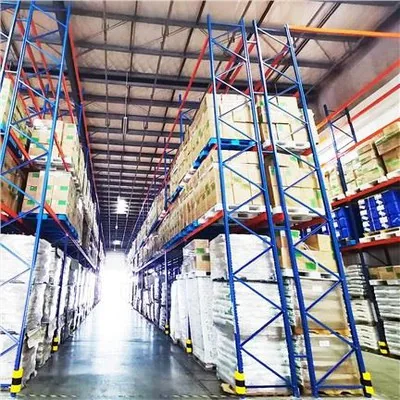
Heavy Duty Pallet Rack
Heavy duty pallet racking configured around pallet dimensions, forklift access, beam levels, and the warehouse storage plan.
Racking system
Selective Pallet Rack
Selective pallet racking for operations that require direct access to individual pallet positions.
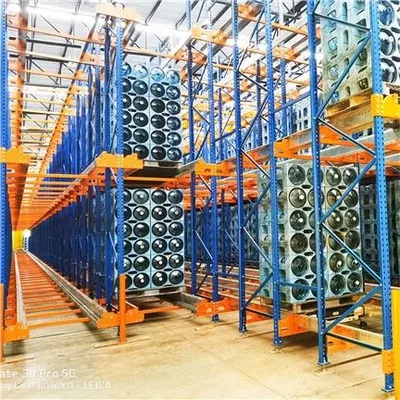
Racking system
Drive-In Pallet Rack
Drive-in pallet racking for dense storage of compatible pallet loads in deep-lane warehouse layouts.
Downloadable buyer tools
Prepare a better project brief before you request a quote.
The Steel Pallet, Stillage & Material Carrier RFQ Checklist helps procurement, engineering, warehouse, and logistics teams capture goods dimensions, support conditions, fork details, product protection, storage, empty return, finish exposure, packing, and destination information in one place.
Goods drawing, photo, support, and no-contact areas
Floor, fork, racking, stack, and transport conditions
Required access, containment, empty-return, and handling flow
Finish, cleaning, marking, packing, and destination route
Evidence or records available for supplier review
Clear list of confirmed facts and open questions
Buyer questions
Answer the product question, then prepare the project facts.
Can Bridgent work from a photo instead of a finished drawing?
Yes. A photo, measured sketch, existing unit, product description, and explanation of the handling issue can create a useful first configuration discussion. Confirmed project details are then captured through the drawing and quotation process.
Can one pallet be used on the floor, forklift, racking, and in a stack?
Those are separate operating conditions. Describe each one so the selected configuration can be reviewed against the correct support and handling interfaces.
Can a stillage protect sensitive parts?
A stillage can be discussed around product-specific support, dunnage, dividers, containment, access, and no-contact zones. The part drawing or photos are the key starting evidence.
How should we prepare an export or returnable project?
Define the selected product’s operating and shipping states separately. Record packed external dimensions, protection, restraint, transport equipment, destination unloading, and empty-return recovery before asking for a final loading plan.
Start an engineering enquiry
Send the project facts you already have.
Start with contact details, a short project summary, and a drawing or photo if available. The full technical form remains available when you are ready to provide detailed handling conditions.
Continue research
Read a technical guide before you specify the product.
Steel Pallet Guide
What Is a Steel Pallet?
A technical introduction to steel pallets, their core design choices, and the industrial workflows they support.
Read guideSteel Pallet Size Guide
Steel Pallet Sizes
How to align steel pallet dimensions with loads, forklift entry, warehouse storage, and transport planning.
Read guideLoad Capacity Guide
Steel Pallet Load Capacity
Why static and dynamic load capacity must be reviewed alongside support condition, forklift handling, and stacking.
Read guide