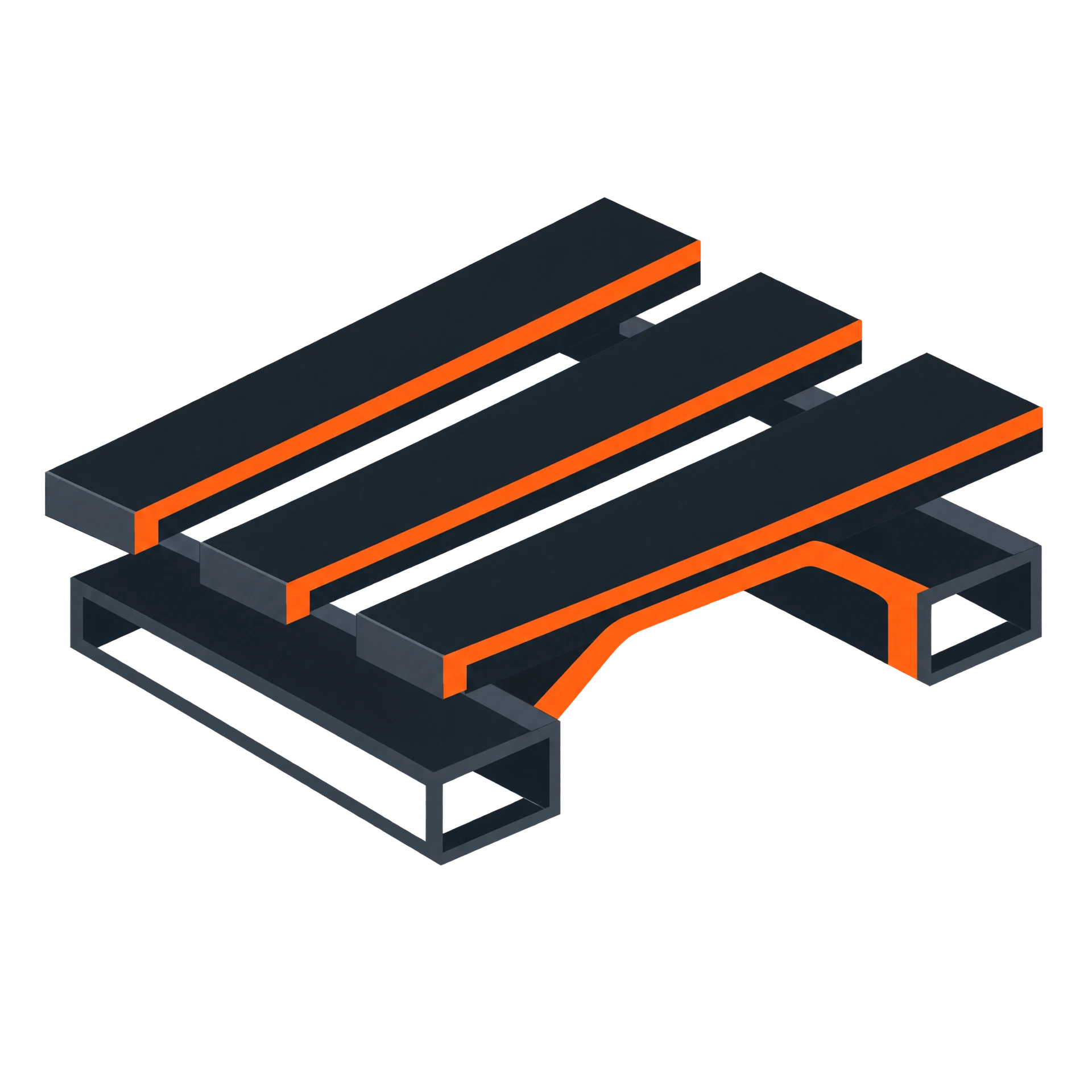
Buyer question
Turn the buying question into specific inputs
What to consider when shipping steel pallets and engineered steel handling units internationally. This guide is written for buyers who need to turn a warehouse or material-handling question into a workable specification. It avoids assumed capacities and generic claims because the right answer is shaped by the product, handling equipment, support conditions, space, and operating sequence.
The right decision is usually made by examining the interfaces: the product-to-pallet contact, the pallet-to-forklift contact, the pallet-to-rack support, and the movement from one stage of the operation to the next. This guide explains the questions that make those interfaces clear.
Use this guide to record the visible facts that change a decision. A buyer does not need to predict a final technical value, but should distinguish what is known, what is required, and what needs review. Photographs, existing drawings, and a description of the current handling problem are useful evidence for that conversation.
A detailed drawing is helpful but not essential at the first stage. A part sketch, photo of the current unit, handling issue, or short process description can reveal the support points, entry directions, access needs, and packing questions that should be confirmed before any specification is treated as final.
Technical specification framework
Confirm the operating condition before publishing a product value
This table is a buyer checklist, not a catalogue datasheet. No exact dimensions, load values, material grades, coating values, packing quantities, or container quantities are stated until they are tied to a defined configuration and supporting record. Separate floor, fork-handling, racking, and stack conditions instead of reducing them to one capacity number.
| Material | Unknown; confirm material selection for the intended use condition. |
|---|---|
| Dimensions | Unknown; confirm the load envelope and required clearances. |
| Static floor load | Unknown; confirm floor support condition and load distribution. |
| Dynamic / fork handling | Unknown; confirm lifting method, contact points, and handling sequence. |
| Racking load | Unknown; confirm whether racking support is required and how the item is supported. |
| Stackability | Unknown; confirm whether units stack and how contact points are controlled. |
| Fork entry | Unknown; confirm handling equipment, approach direction, and clearance. |
| Surface treatment | Unknown; confirm environmental exposure and surface-contact conditions. |
| Packing | Unknown; confirm packing method and protection needs. |
| Container loading | Unknown; confirm whether container movement is within the intended workflow. |
| Racking suitability | Unknown; confirm support geometry against any intended racking arrangement. |
A useful quotation records the condition being considered and any assumptions or exclusions. If the unit will rest on rack beams, move on fork tines, stand in a loaded stack, or travel in a container, include each condition in the request. That prevents a value for one support arrangement from being mistaken for a value for another.
Decision inputs
Questions to answer before comparing options
Which concrete operating fact would change the way this product or system should be designed, selected, or used? The aim is to make an RFQ or internal review more specific without treating a general guide as an approval or a rating.
Details that seem minor can change daily handling. Fork clearance affects entry. Product support points affect contact. A loaded stack and a rack beam place the unit in different conditions. A finish choice needs the actual exposure and contact pattern, not a generic label.

Applications
Where this product family is commonly considered
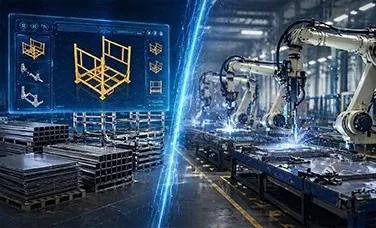
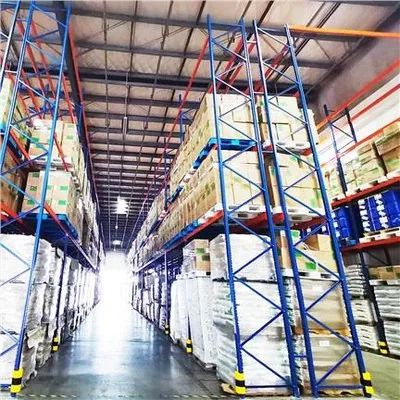
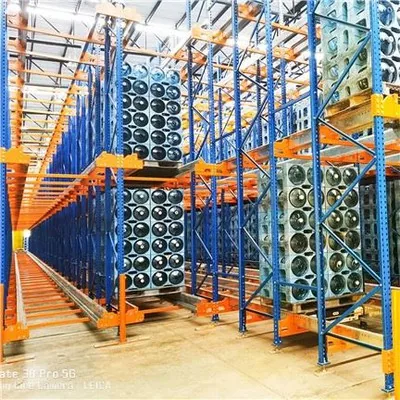
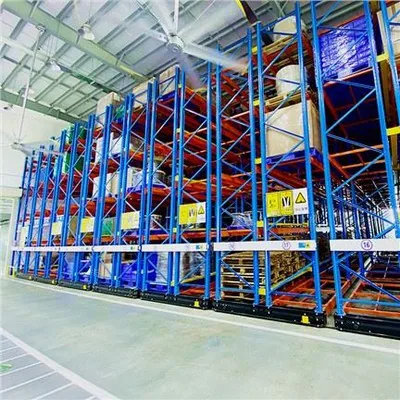
Different applications can use the same product family in different ways. A manufacturing plant may prioritise line-side presentation and returnable handling; a warehouse may focus on pallet compatibility, direct access, or storage density; and an export project may be driven by protection and container loading. The context should determine the design, not the other way around.
Quality control
Inspection linked to the supplied requirement
Quality control for industrial steel products begins with clear inputs. Incoming material condition, cut and formed parts, assembly alignment, welded joints, finish, function of moving or stacking components, and packaging condition can be reviewed at relevant stages. The final inspection should relate to the agreed dimensions, configuration, and visual or functional requirements, rather than to a generic claim of quality.
Where a project requires a particular inspection or documentation process, include it with the request. Bridgent will not assume or invent certifications, test values, or compliance statements that have not been confirmed for the product. That approach keeps the conversation technically useful for both the buyer and the manufacturing team.
Frequently asked questions
Questions buyers ask before requesting a quote
What should I record after reading this steel pallet export packaging?
Record the facts that affect the actual use condition: the item or unit load, dimensions, support arrangement, handling method, storage position, and any remaining unknowns. The guide does not establish a final technical value for a different configuration.
Why does the guide not give one universal load figure?
A universal figure would be misleading because floor support, load distribution, fork handling, racking support, stacking, and the selected configuration are separate conditions.
Where can I continue from this guide?
Use the related product or racking pages to compare relevant families, then submit the dimensions, application, support conditions, and any drawing or photographs available through the RFQ form.