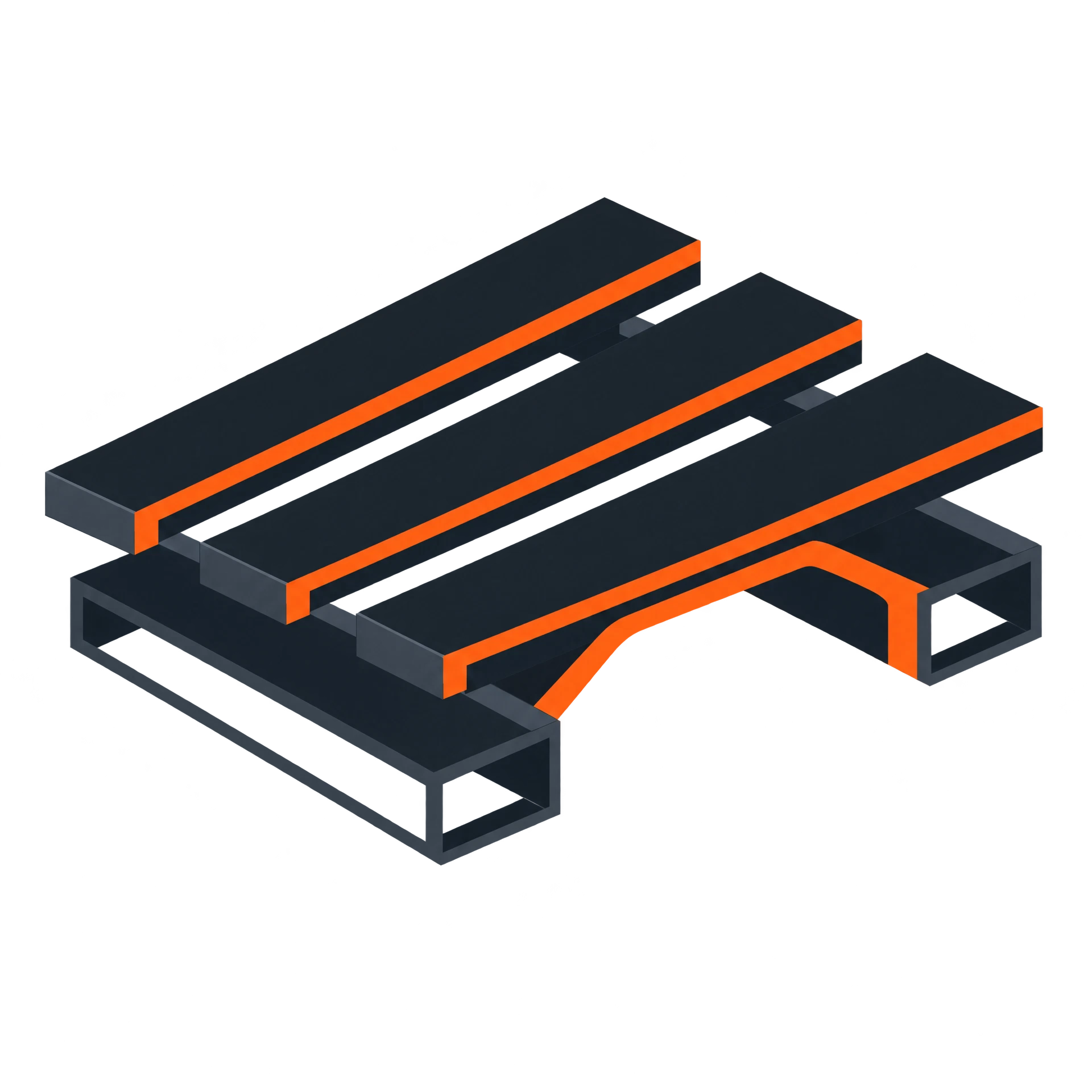
Product overview
Start with how the unit is supported, handled, and stored
Custom steel manufacturing turns a product, workflow, or drawing requirement into a practical fabricated unit. The requirement may begin with a detailed drawing, but it can also begin with a part photograph, a difficult handling problem, a target storage footprint, or a request to improve an existing returnable package. The important work is making the operating conditions clear before the design is fixed.
A custom project normally develops through design input, material and construction decisions, prototype or approval stages where applicable, fabrication, finish, inspection, packaging, and export preparation. Each stage should reflect the original application brief.
The category name is only a starting point. A useful brief identifies the item being supported, its load distribution, the equipment that touches the unit, where it rests, and which surfaces must remain protected. Those facts give a product or handling discussion a practical basis.
A detailed drawing is helpful but not essential at the first stage. A part sketch, photo of the current unit, handling issue, or short process description can reveal the support points, entry directions, access needs, and packing questions that should be confirmed before any specification is treated as final.
Technical specification framework
Confirm the operating condition before publishing a product value
This table is a buyer checklist, not a catalogue datasheet. No exact dimensions, load values, material grades, coating values, packing quantities, or container quantities are stated until they are tied to a defined configuration and supporting record. Separate floor, fork-handling, racking, and stack conditions instead of reducing them to one capacity number.
| Material | Buyer requirement; confirm material selection for the stated use condition. |
|---|---|
| Dimensions | Buyer requirement; confirm drawing dimensions, tolerances, and working clearances. |
| Static floor load | Buyer requirement; confirm floor support condition and load distribution. |
| Dynamic / fork handling | Buyer requirement; confirm lifting method, contact points, and handling sequence. |
| Racking load | Unknown; confirm whether racking support is required and how the item is supported. |
| Stackability | Buyer requirement; confirm whether units stack and how contact points are controlled. |
| Fork entry | Buyer requirement; confirm equipment, approach direction, and clearance. |
| Surface treatment | Buyer requirement; confirm environmental exposure and surface-contact conditions. |
| Packing | Buyer requirement; confirm protection, identification, and dispatch needs. |
| Container loading | Buyer requirement; confirm container plan and destination handling constraints. |
| Racking suitability | Unknown; confirm support geometry against any intended racking arrangement. |
A useful quotation records the condition being considered and any assumptions or exclusions. If the unit will rest on rack beams, move on fork tines, stand in a loaded stack, or travel in a container, include each condition in the request. That prevents a value for one support arrangement from being mistaken for a value for another.
Decision inputs
Configuration topics to discuss for daily use
Which dimensions, support points, handling constraints, and commercial requirements must the finished product meet? These inputs help define product support, equipment contact, access direction, stack interface, and environmental exposure without turning an illustrative configuration into a standard product claim.
Details that seem minor can change daily handling. Fork clearance affects entry. Product support points affect contact. A loaded stack and a rack beam place the unit in different conditions. A finish choice needs the actual exposure and contact pattern, not a generic label.
Structure and load path
Construction questions should follow the actual support path
A custom project normally develops through design input, material and construction decisions, prototype or approval stages where applicable, fabrication, finish, inspection, packaging, and export preparation. Each stage should reflect the original application brief. The load bears on its support surface; the lower structure meets forks, wheels, or the floor; stack members engage at defined points; and the unit may move to a rack, container, or transport position. Each interface should be described in the request.
Material selection, member arrangement, product contact, fork entry, stack interface, and finish are project inputs. Do not treat a general product image or category name as evidence of an exact material grade, thickness, load value, weld detail, or racking arrangement.


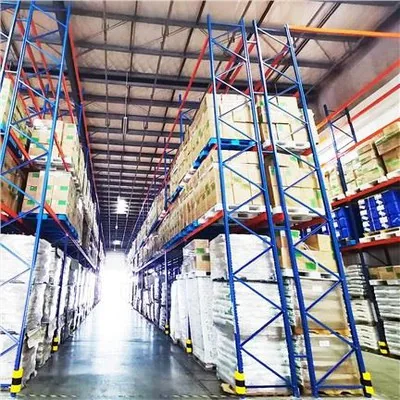
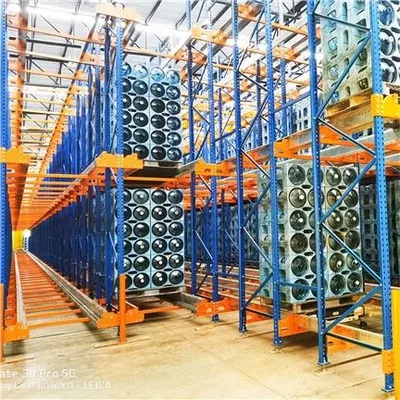
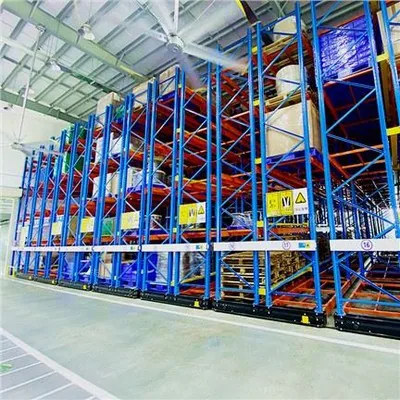
Project review sequence
Connect the approved requirement to the checks that matter
Start by confirming what is being made and how it will be used. The project brief should identify the item, dimensions, quantity, support condition, handling equipment, storage environment, stack requirement, finish expectation, and destination. Drawings and photographs can clarify contact points, entry directions, and areas requiring protection.
The agreed requirement should define the relevant checks. A final drawing or quotation may need to identify geometry, access, support interfaces, finish condition, packing method, and any inspection or documentation process requested for the project. This page does not claim a fixed production process, inspection scope, or performance result for every configuration.
Packing, shipment orientation, container planning, unloading method, and destination requirements are separate inputs. Discuss them early where they affect the finished configuration or the delivery method; do not assume a bundle count or container quantity without an approved project plan.
Custom requirement brief
Send the details that alter the proposed configuration
A custom request can identify the load shape, product contact points, forklift entry, stack condition, access needs, finish exposure, identification, packing, and destination. Those are not assumed options or published product facts. They are the questions that allow a proposal to be framed around a stated use condition.
When information is incomplete, begin with the product or material, its dimensions, how it moves, where it is stored, and the problem the new unit needs to address. Add a drawing or photograph where possible. Mark unknown support, fork, racking, stack, finish, packing, or container conditions as open items instead of guessing.
Applications
Where this product family is commonly considered
Different applications can use the same product family in different ways. A manufacturing plant may prioritise line-side presentation and returnable handling; a warehouse may focus on pallet compatibility, direct access, or storage density; and an export project may be driven by protection and container loading. The context should determine the design, not the other way around.
Quality control
Inspection linked to the supplied requirement
Quality control for industrial steel products begins with clear inputs. Incoming material condition, cut and formed parts, assembly alignment, welded joints, finish, function of moving or stacking components, and packaging condition can be reviewed at relevant stages. The final inspection should relate to the agreed dimensions, configuration, and visual or functional requirements, rather than to a generic claim of quality.
Where a project requires a particular inspection or documentation process, include it with the request. Bridgent will not assume or invent certifications, test values, or compliance statements that have not been confirmed for the product. That approach keeps the conversation technically useful for both the buyer and the manufacturing team.
Frequently asked questions
Questions buyers ask before requesting a quote
Can you start from a photo rather than a full drawing?
Yes. A photo with dimensions, a load description, and an explanation of the handling problem can be a practical first brief.
What custom options are possible?
Dimensions, load-related construction, forklift entry, stacking features, mesh, surface treatment, colour, packaging, and identification can be reviewed.
Can I upload files with my enquiry?
Yes. The RFQ form accepts PDF, JPG, PNG, and DWG files up to the stated size limit.