What this product page is for
Specify the support path before calling a steel pallet heavy duty
A heavy-duty steel pallet is not defined by a visual impression of thick steel or a generic capacity label. It is a fabricated handling platform whose deck, cross-members, runners, feet, fork openings, and stack interfaces are chosen around a particular unit load. The starting point is therefore the goods: their outer envelope, contact footprint, centre of gravity where relevant, packaging condition, and the surfaces that must not be marked or distorted. A pallet supporting a broad, evenly distributed carton is a different engineering question from one supporting a compact fabricated assembly with local contact points.
The second question is where the pallet is supported during its working cycle. A level floor, fork tines, rack beams, a loaded stack, a conveyor transfer, and a transport restraint do not act on the lower frame in the same way. Buyers should record each condition separately and state which condition is essential to the project. That gives a manufacturer a usable basis for a drawing-led discussion without pretending that one illustrative pallet image proves a universal material, thickness, load rating, or racking approval.
Reference configuration
Reference configuration record for a heavy-duty steel pallet
This is a procurement and drawing-review table, not a published datasheet. Use it to identify the fields that must appear on the configuration record supplied with a quotation.
| Configuration field | What the project record should show |
|---|---|
| Product and drawing identity | Record the buyer part or unit-load description, pallet configuration name, drawing number, revision, and review date. |
| Deck and product contact | Show the usable support area, deck form, local contact locations, protected zones, and any permitted overhang. |
| Lower frame and runners | Show runner orientation, feet or support points, underside clearance, and the support faces used on floor, fork, or beam positions. |
| Fork entry | State permitted entry sides, fork/tine envelope, approach direction, clearance, and any handling equipment restrictions. |
| Separate operating conditions | List static floor, dynamic forklift, racking, and loaded-stack requirements as separate project conditions with their assumptions. |
| Finish and dispatch | State exposure, cleaning method, contact-wear zones, identification needs, packing orientation, and destination unloading constraints. |
Structure and operating map
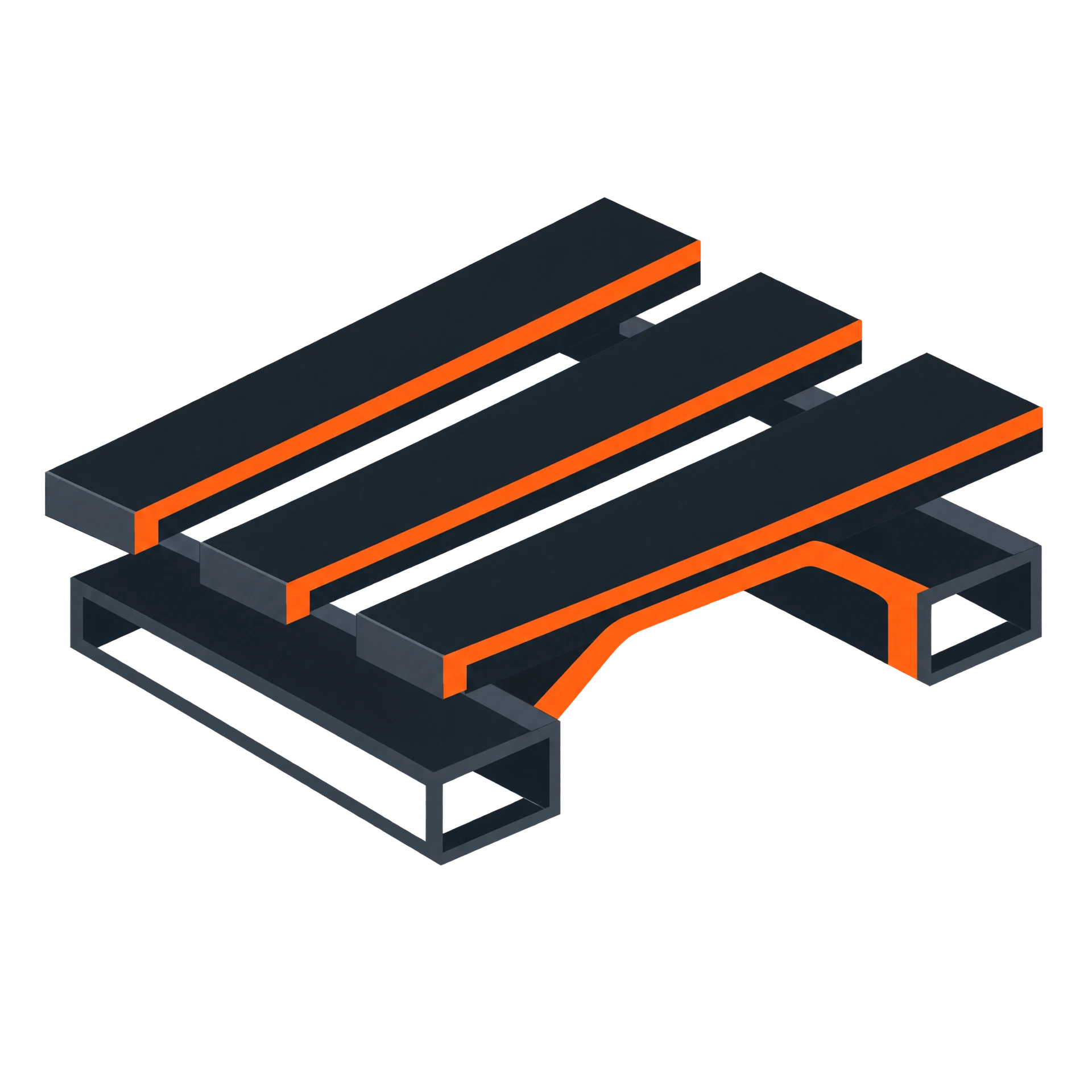
Structure map: what the drawing should make visible
A dimensioned approval drawing should identify the interfaces below, not simply show an overall length and width.
Load footprint
The drawing should show where the goods touch the deck and whether the load is distributed or concentrated at local points.
Deck-to-frame path
Identify deck panels, rails, cross-members, and the lower members that transmit the stated load to the next support surface.
Handling envelope
Show fork openings, tine clearance, underside obstacles, approach direction, and placement areas that must remain accessible.
Storage interfaces
Show floor contact, any stack engagement, and rack-beam bearing zones only where the intended configuration has been reviewed for those positions.
Load and support conditions
Use four condition statements instead of one capacity phrase
A useful heavy-duty pallet request distinguishes static floor support from dynamic forklift handling. For the floor condition, describe the load footprint, support surface, product position, centre of gravity where relevant, and whether the pallet will be stored alone or as part of a loaded stack. For the handling condition, describe the truck type, fork width and spacing, entry direction, lift or transport sequence, and whether the pallet can be approached from a single side or multiple sides. A value valid for a level, fully supported floor position cannot automatically be used for tines carrying the load between support points.
Racking and loaded stacking need their own statements. A racking request should provide the beam arrangement, pallet orientation, bearing width, support locations, overhang, and whether the pallet must be retrieved frequently. A stack request should identify the contact and alignment method, the required loaded arrangement, the placement process, available clear height, and the goods that must remain clear. If these conditions are not confirmed at the first enquiry, label them as open items. This keeps a quotation discussion honest and prevents the word heavy duty from becoming an unqualified promise.
- State the unit-load footprint, not only total mass.
- Describe the support surface for every operating position.
- Attach a beam layout before asking for a racking statement.
- Show forklift approach and fork dimensions where entry clearance is critical.
Deck, runners, and access
Match the platform geometry to the goods and the truck
The deck is the product-facing side of the pallet. It may need a continuous contact area, spaced support rails, drainage, local pads, a corrugated surface, or clearance for a packaging feature. The correct choice follows the part or packaging rather than a default pallet style. Give the manufacturer photographs of the present unit or a simple contact map when surfaces are sensitive, when the goods bridge a gap, or when a local projection creates a concentrated load path.
Below the deck, runners and lower members define how the pallet meets the floor, tines, rack beams, or a stack. Opening an additional fork-entry side can alter the lower-frame path, so four-way access should be treated as a design requirement rather than a decorative option. A drawing review should also establish whether pallet-jack wheels, conveyors, or automated interfaces pass beneath the unit. These checks are especially important where the same pallet must move between production, warehouse, and export stages.
Finish, inspection, and export
Bring service exposure and shipment into the same brief
Finish selection begins with the operating environment. Record indoor or outdoor storage, moisture, cleaning routine, chemical or process exposure, standing-water risk, fork-contact zones, stack-contact zones, and the need for visual identification. Powder coating, zinc-based treatments, and other finishes should be compared against documented project conditions; no finish description should be read as a universal corrosion or abrasion claim. If colour, plates, labels, or ownership marks are required, show their intended position so they remain visible without occupying a handling or support face.
Inspection and packing should follow the approved configuration. The buyer can request checks for dimensions, fork openings, usable deck area, product-contact features, stack engagement, finish appearance, and packing condition. For export, provide the destination, transport mode, unloading equipment, desired packing state, and any container or vehicle restriction. A container plan requires verified external packing dimensions, actual mass information, protection, restraint, and a nominated equipment envelope; it should never be inferred from a standard pallet photograph.
Project sequence
A practical heavy-duty pallet RFQ sequence
This sequence keeps commercial, handling, and drawing questions connected from the first enquiry.
- 1. Send the unit-load brief
Provide goods description, dimensions, photographs or drawings, quantity per pallet, protected surfaces, and expected order quantity.
- 2. Separate the support conditions
Describe floor, fork handling, racking, stacking, transport, and any conveyor condition without merging them into one statement.
- 3. Review the configuration drawing
Confirm deck contact, lower frame, runner or foot layout, fork entry, clearances, stack features, and finish before treating the configuration as final.
- 4. Confirm inspection and dispatch
Agree which dimensions and functions matter to the project, then record packing orientation and destination handling requirements.
Product visual reference
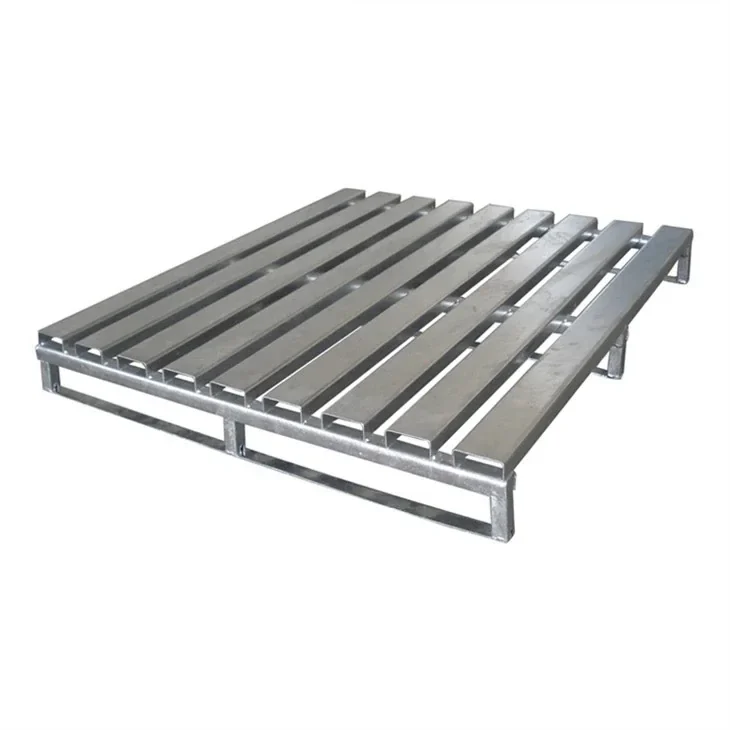
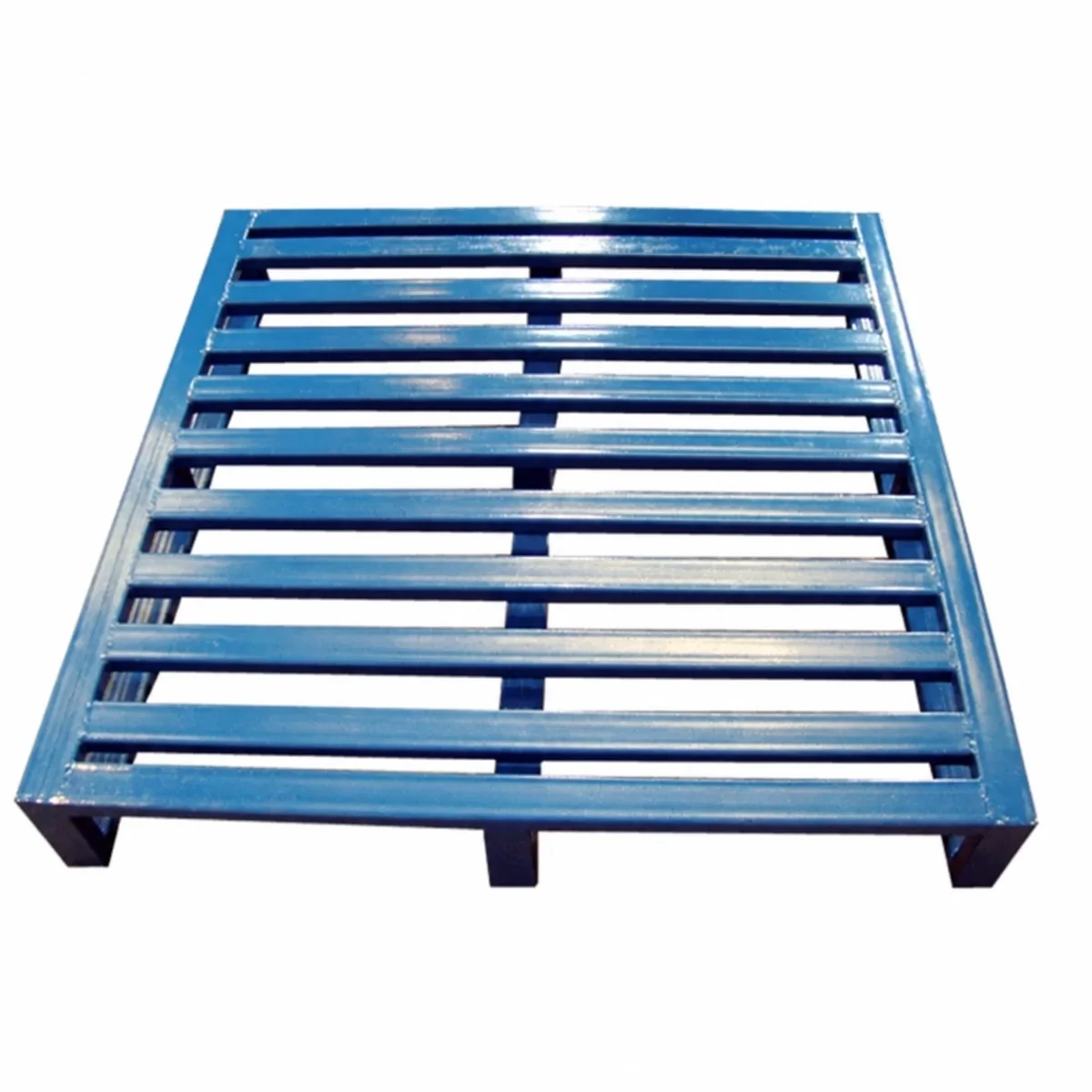
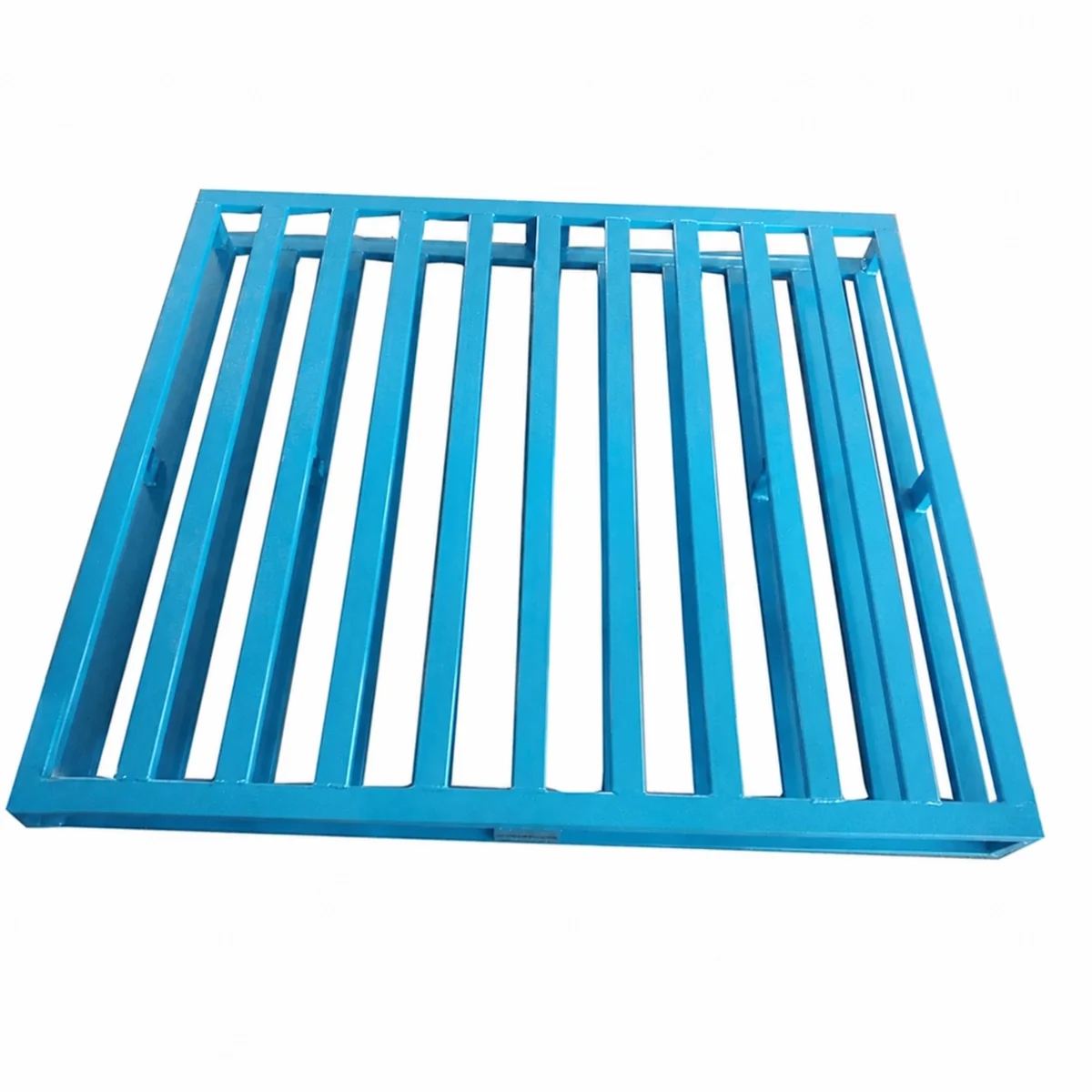
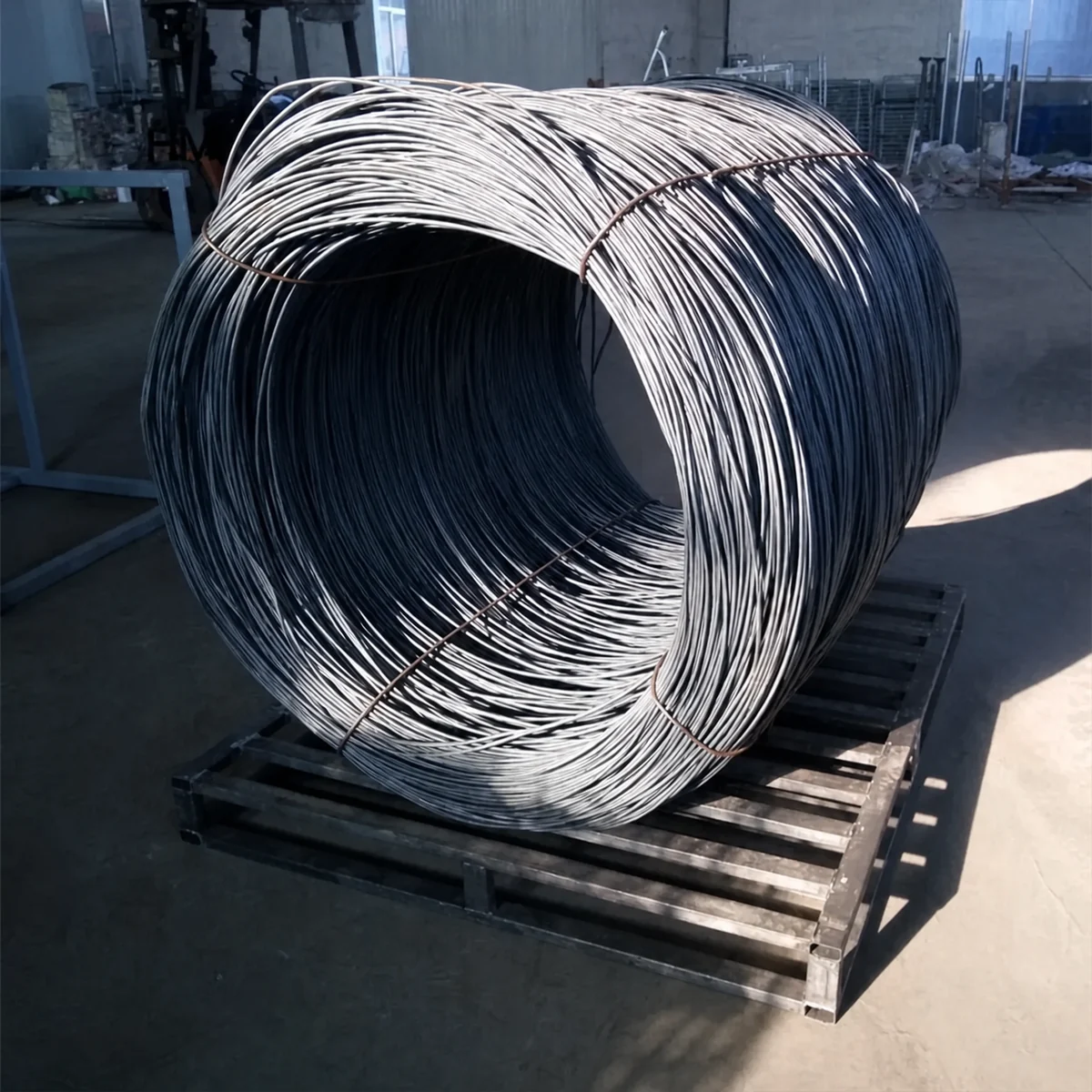
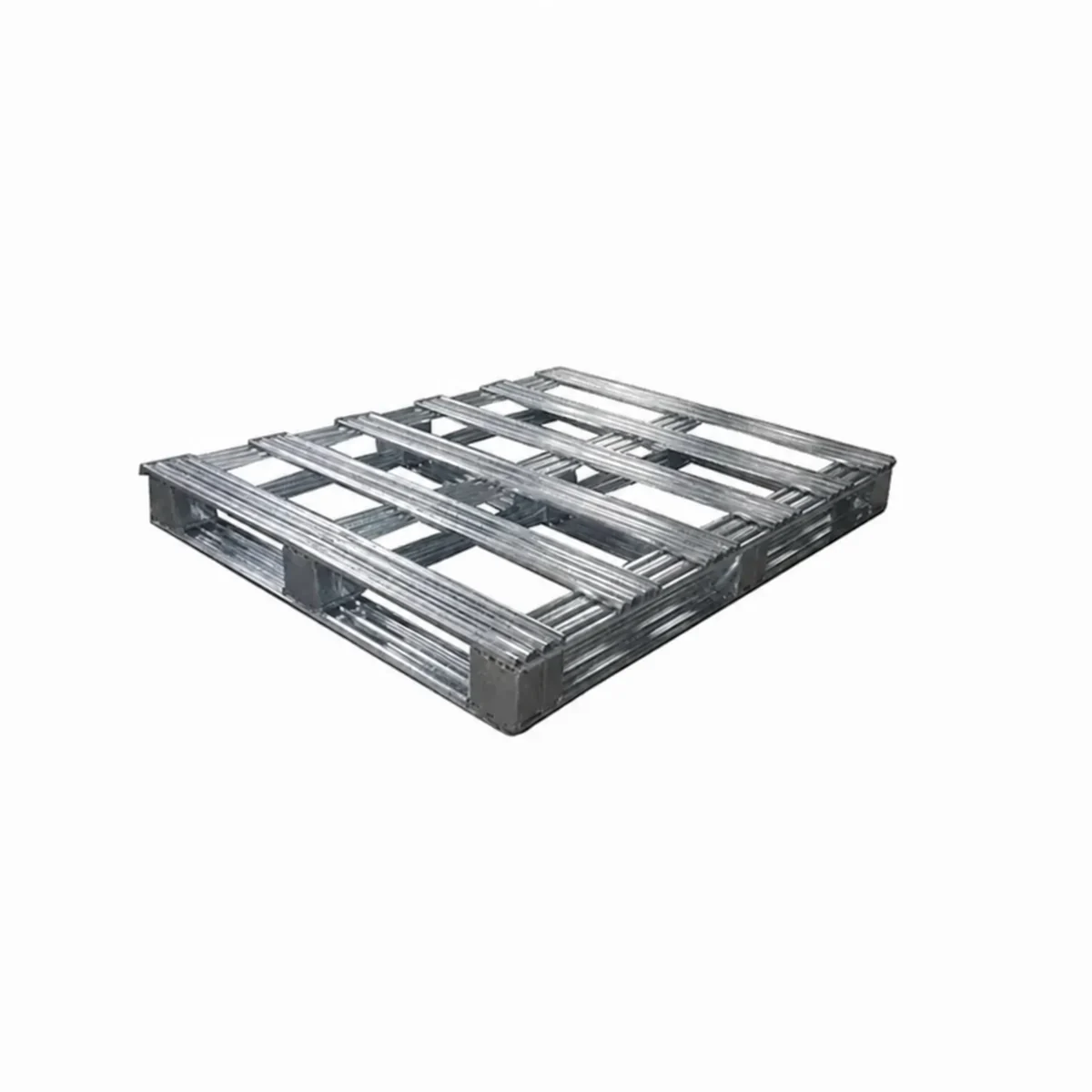
Illustrative product forms with project-specific captions
Procurement and qualification
What to compare when quotations use different words
Compare drawings and stated operating conditions before comparing a unit price. Confirm whether each supplier describes the same usable deck area, product-contact pattern, lower-frame arrangement, permitted fork entry, finish scope, and packing state. Ask whether any statement refers only to a floor-supported condition, and ask for the support geometry where racking or stacking is included. A lower quotation may be based on a different set of interfaces rather than an equivalent pallet.
For a repeat purchase or multi-site programme, request a controlled identity for the approved configuration, including drawing revision, label or marking location, inspection points, and change-control process. This helps purchasing teams distinguish a reference model from an illustrative family image and makes later revisions easier to review.
Sample, batch, and packing discussion
Plan a heavy-duty pallet review before a repeat batch is released
For a new or changed configuration, send the current pallet, drawing, unit-load brief, and expected batch demand so a drawing-review or sample path can be discussed. Sample availability, scope, timing, inspection, and cost are project matters that need to be confirmed in the quotation; this page does not publish a blanket sample or minimum-order promise.
For batch supply, agree the approved drawing revision, inspection features, marking, finish, packing orientation, component protection, shipment state, and destination unloading assumptions. This keeps a repeat quotation tied to the same deck, lower-frame, fork, support, and dispatch interfaces rather than a broad heavy-duty label.
Frequently asked questions
Questions to resolve before requesting a quote
Does heavy-duty mean the pallet is suitable for racking?
No. Racking depends on the selected pallet configuration, beam arrangement, support width, orientation, load placement, and a configuration-specific review. Provide the beam layout instead of relying on a category name.
Can one load figure cover floor storage, forklift handling, and stacking?
Those are different support conditions. A responsible project record separates them and records the related assumptions, load distribution, handling equipment, and support geometry.
What should be attached to a heavy-duty pallet RFQ?
Attach a product drawing or photo, dimensions, required quantity, load and contact footprint, forklift details, support positions, storage route, finish exposure, and destination information where known.
Can Bridgent work from an existing pallet sample or sketch?
Yes. A photograph or measured sketch can help identify product contact, fork entry, lower-frame constraints, and the differences the new project needs to address.