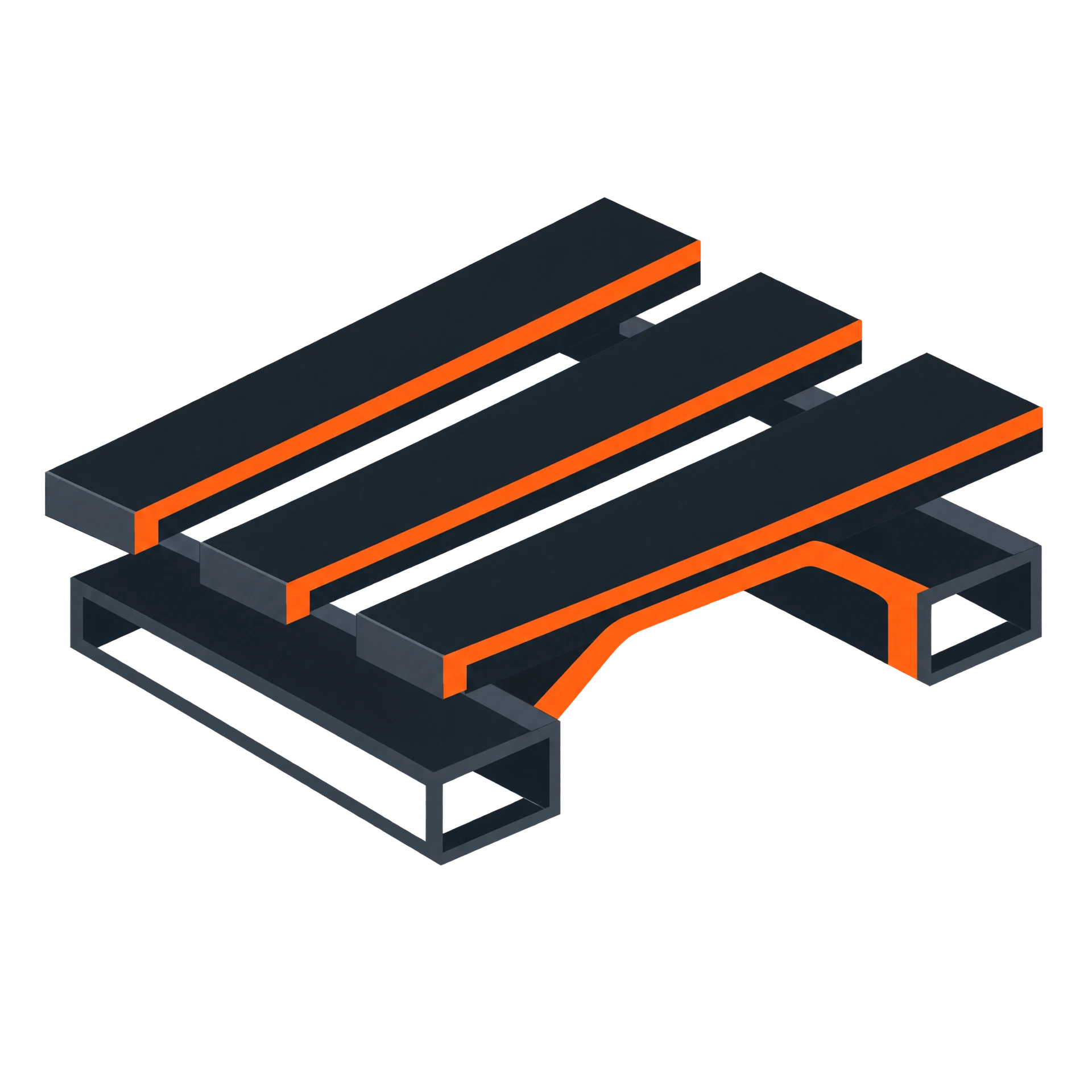
Assembled and return states
Treat the base, posts, and stack interface as one working system
A stackable post pallet is useful where a load needs vertical separation, open-side access, and an empty-return state that differs from the assembled storage state. The recognizable form is a steel base with removable corner uprights and a matching upper contact or receiving arrangement. However, a photograph alone cannot establish post profile, engagement depth, internal clearance, fork opening, stack limit, or the method used to retain and return removed posts. These are project-level drawing questions.
The procurement brief should therefore describe both states. For the assembled state, identify the goods envelope, clear internal height, side-access needs, product overhang, fork approach, floor or rack position, and loaded stacking objective. For the return state, identify whether posts are removed, how they are retained or bundled, who performs the sequence, where loose components are stored, and how the base and post bundle are transported. This approach prevents a post pallet from being treated as a generic open-frame pallet.
Reference configuration
Reference configuration record for a removable-post pallet
The configuration record should show component relationships and both the assembled and return states.
| Configuration field | What the project record should show |
|---|---|
| Base and deck | Show deck contact, lower-frame members, base support points, fork-entry positions, and any product-specific dunnage or locators. |
| Posts and sockets | Identify post quantity, location, profile, engagement method, retention approach, and the clear envelope created when assembled. |
| Upper stack interface | Show cups, receivers, or contact areas, their alignment relationship, and the conditions under which loaded units may be placed together. |
| Fork and placement clearance | Show access openings, approach direction, underside clearance, and the clear zone needed to place or remove a unit within a stack. |
| Return state | Show the approved post-removal sequence, post bundle or retention method, empty base arrangement, and return packing orientation. |
| Inspection points | State which dimensions, post fit, engagement, finish, marking, and packing features require review for the project. |
Structure and operating map
Structure map: base, uprights, and stack interface
The exact shape must come from the selected drawing; this map identifies the relationships to show.
Product support plane
Show where the goods contact the base and any areas that require pads, dividers, or no-contact clearance.
Upright engagement
Show the post-to-base connection, engagement depth or retaining method, and the clear height created around the load.
Top-to-bottom contact
Show the receiver or cup relationship between one assembled unit and the next only where that loaded position is approved.
Handling access
Show fork entry, lower-frame clearance, approach direction, and operator access to the post or product where relevant.
Vertical storage
Define the stack from the operator’s placement sequence
A post pallet must be considered from the point of view of the person or truck placing the unit. The loaded envelope, post position, clearance around the goods, and top interface determine whether the next unit can be aligned without contact or obstruction. Describe the available clear height, required side access, forklift approach, and any surfaces that must remain free from post or fork contact. If the product is sensitive or irregular, include a drawing, photo, or contact map so the base and upright location can be discussed together.
Loaded stacking requires a configuration-specific support arrangement. The brief should state the intended floor condition, the proposed number or arrangement of loaded units, the contact relationship between upper and lower frames, and the placement method. Do not assume a general post-pallet image confirms a stack height, load value, or racking use. If a rack position is part of the programme, provide beam information and state whether the upright system is assembled or removed in that position.
- Show the product envelope inside the uprights.
- Identify the stack contact and alignment relationship.
- State the fork approach and placement clearance.
- Keep racking requirements separate from free-standing stack storage.
Removable posts and empty return
Plan the return state, loose-component control, and reassembly route
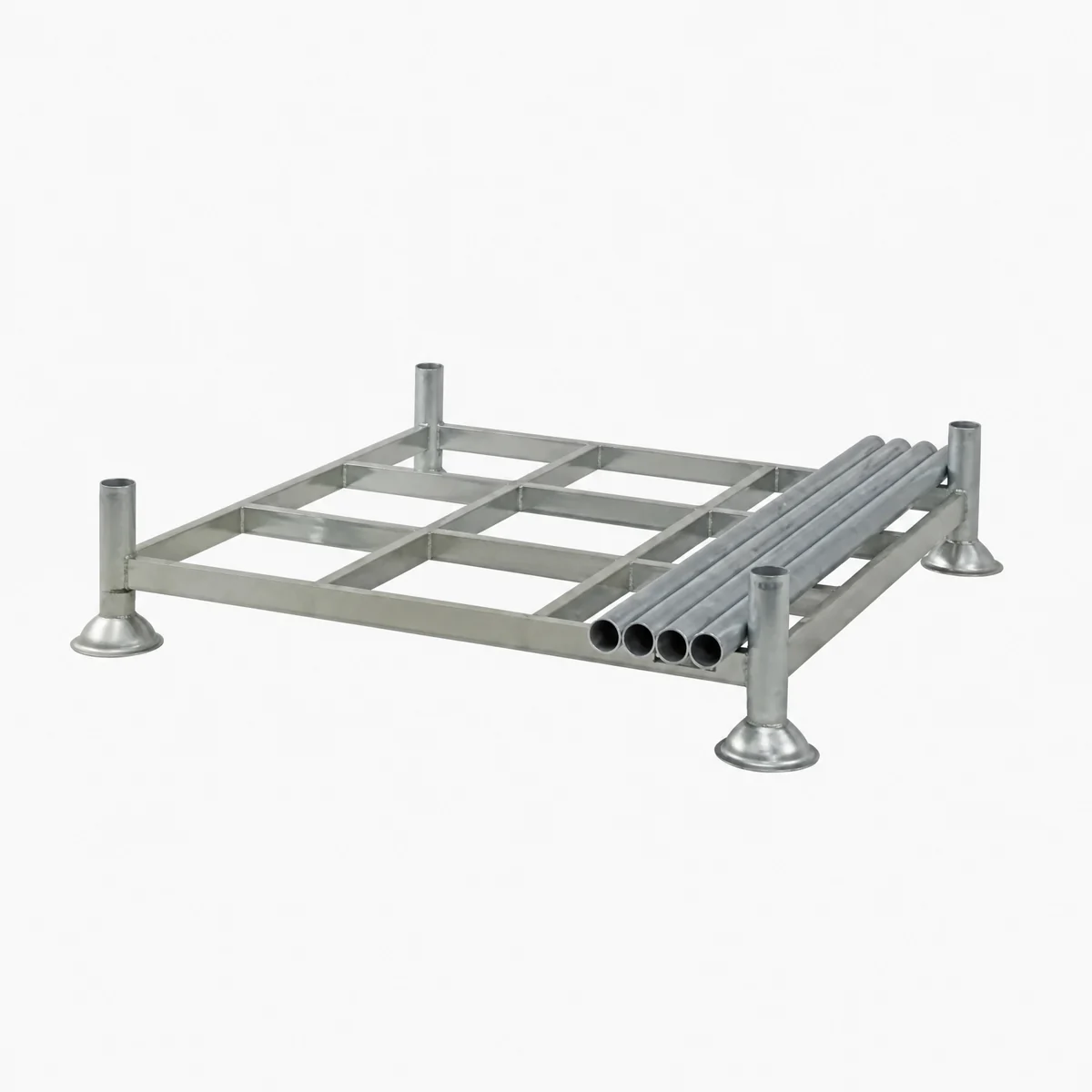
Removable posts can create an efficient empty-return concept, but only when the removal and recovery process fits the operation. The buyer should explain whether operators remove posts manually, whether a tool or lifting aid is available, how posts are grouped or identified, and whether the return vehicle can carry a separate post bundle. A post pallet with uncontrolled loose components can reduce the practical value of a compact return state, so the drawing should make retention and packing requirements visible.
At receiving, the reassembly sequence must be clear enough for the intended user. Confirm which way posts enter, what prevents the wrong orientation, where the product will be loaded, and whether the post connection is inspected before use. If an existing system has wear, loss, or fit-up concerns, photographs are valuable evidence for the next configuration review. This is a process requirement; it should not be replaced by an unverified claim about a standard removable-post mechanism.
Product protection and presentation
Use open sides deliberately, not as a default
Open-sided access can make a post pallet effective for bulky, non-compressible, or regularly accessed goods. It can also expose a product to movement unless the base, divider, dunnage, or retaining features are designed around the actual part. Identify which faces must be accessed by operators, which faces need protection, and whether the pallet will be used for line-side presentation, buffer storage, or return transport. The answers influence post location, internal clear space, and the need for local contact features.
For supplier comparison, ensure every proposal is based on the same assembled clear envelope and product-support description. Check whether the quoted base includes support, dividers, pads, marking, finish, or packaging features shown in your brief. Record any requirement for inspection of post fit, stack engagement, fork access, and empty-return packing before production or repeat supply is released.
Project sequence
A post-pallet RFQ sequence
The RFQ should cover the assembled storage unit and the disassembled return unit together.
- 1. Describe the goods and clear envelope
Supply part dimensions, orientation, protected surfaces, required open sides, quantity per pallet, and any product-contact points.
- 2. Describe storage and handling
State floor, fork, stack, rack, and access conditions with the assembled pallet in mind.
- 3. Describe the return state
Show post removal, post retention, empty base arrangement, return vehicle, and destination reassembly method.
- 4. Review the controlled drawing
Confirm base, post, receiver, clearance, stack-interface, finish, identification, inspection, and packing details before release.
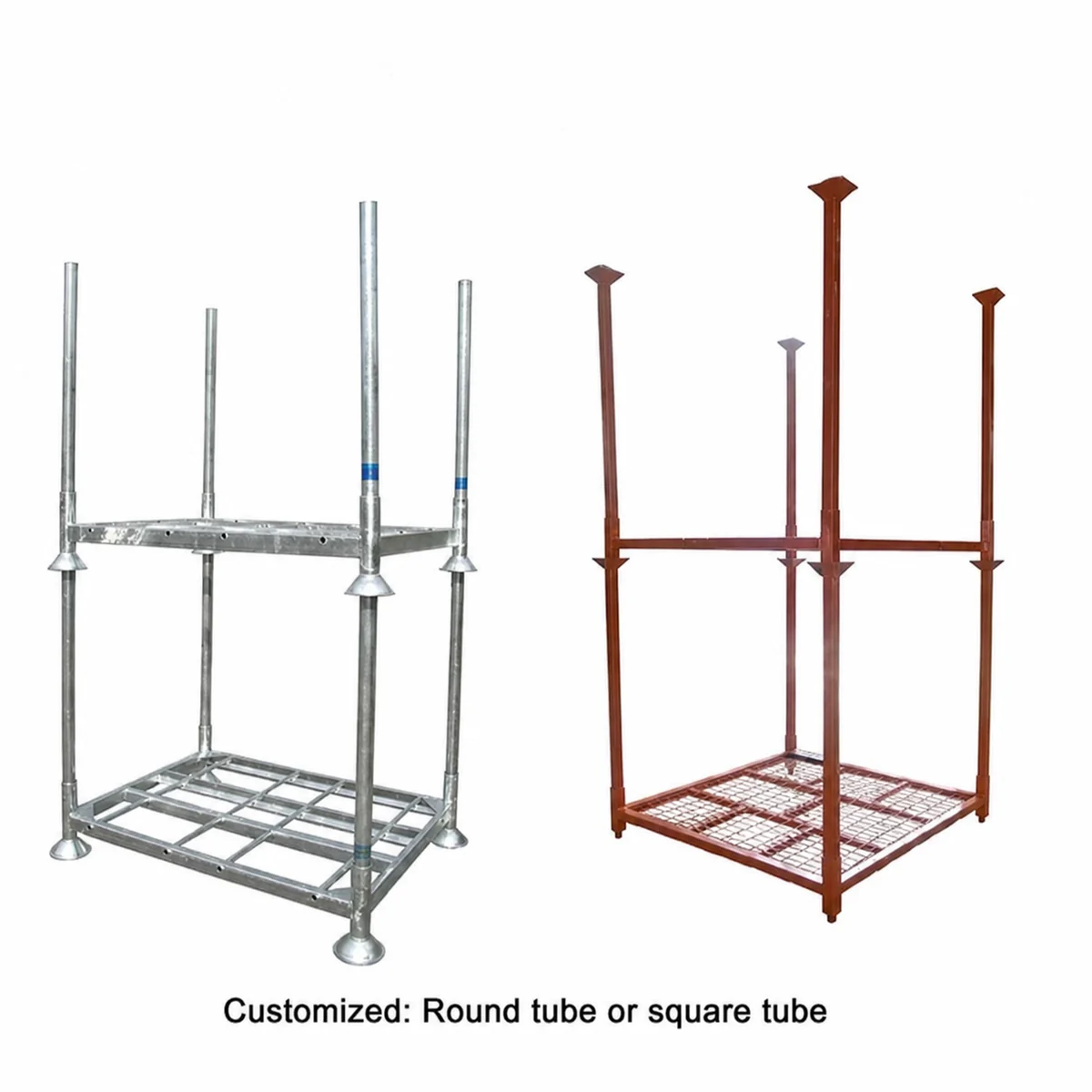
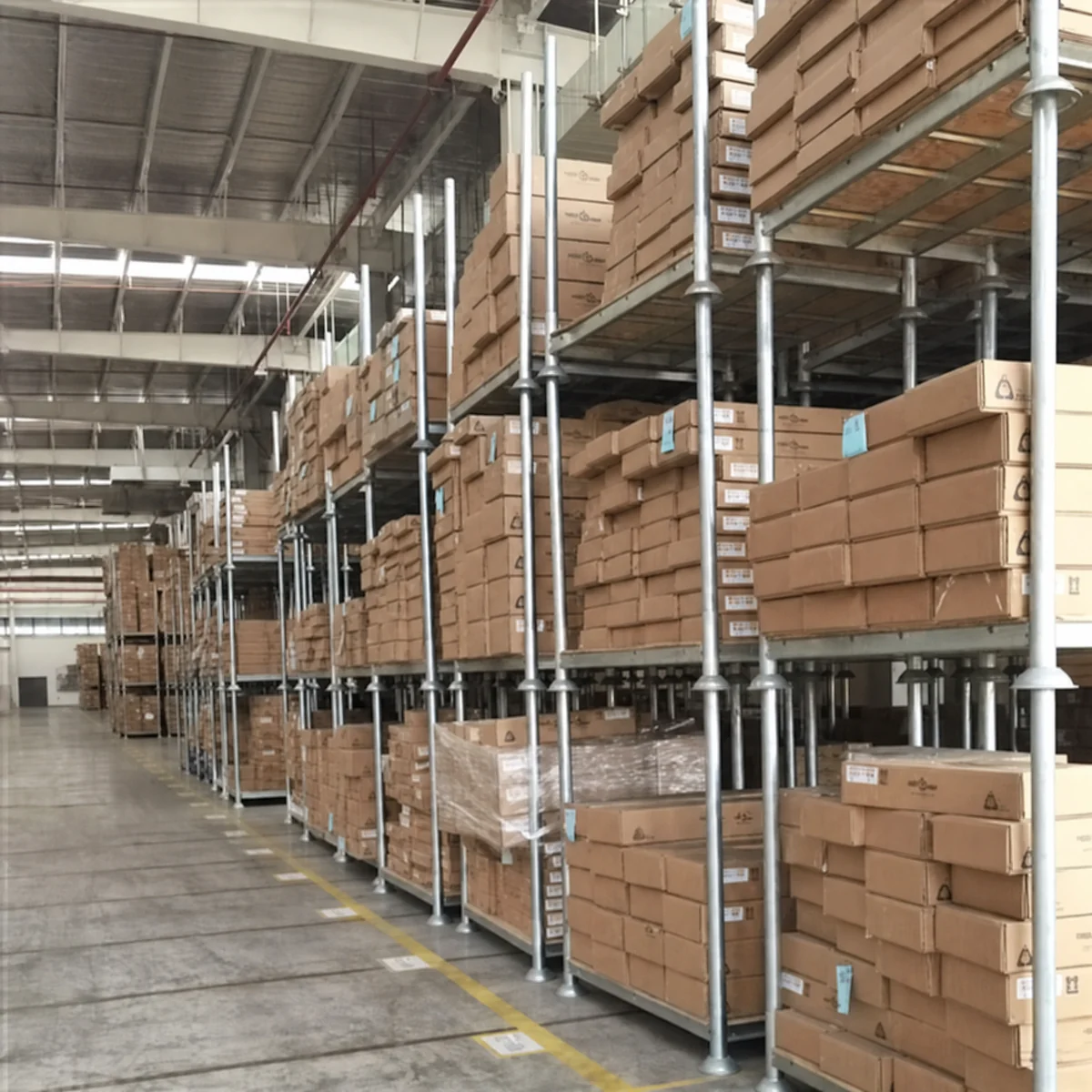
Product visual reference
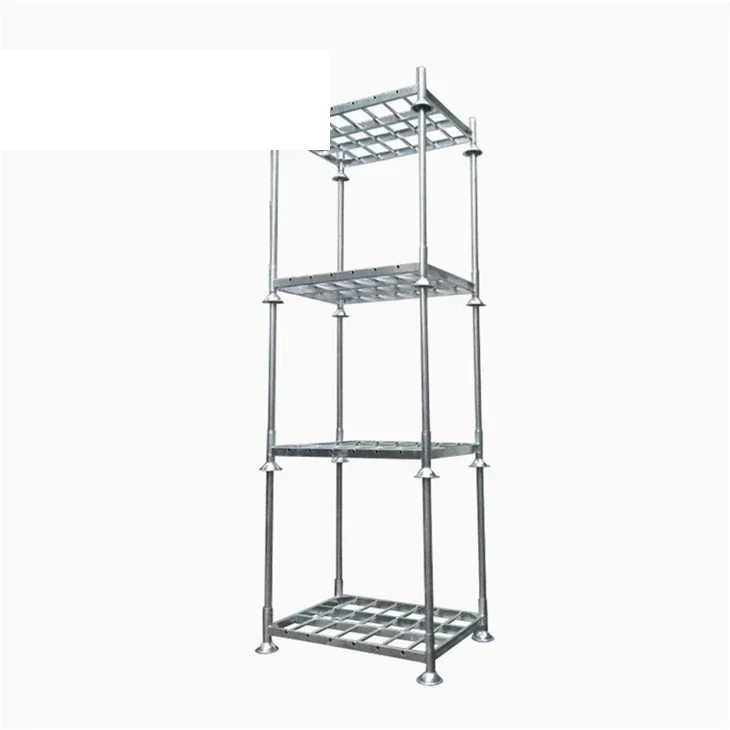
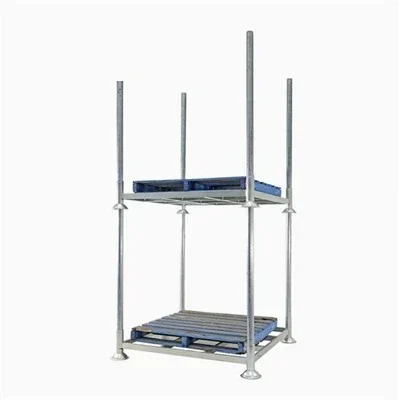
Illustrative product forms with project-specific captions
Procurement and qualification
Compare the assembled pallet and the return state as one proposal
Ask suppliers to state what is included in the base, upright system, receiver or cup arrangement, product-contact features, finish, marking, and return packing. Confirm whether any supplied illustration represents the proposed revision or simply a product family. The quote should make the assembled clear envelope and post-removal assumptions visible rather than leaving them in a generic description.
For recurring routes, record how replacement uprights, retention features, labels, and inspection expectations are managed. A drawing-controlled component relationship makes it easier to order a compatible replacement or update a returnable fleet without silently changing the stack or handling interface.
Sample, batch, and packing discussion
Review an assembled unit and an empty return unit together
A post-pallet sample or first-article discussion should cover both the assembled base-and-upright form and the post-removal return state. Provide the expected batch quantity, goods, post-retention approach, inspection points, and available delivery timing so the project-specific sample route can be confirmed without publishing an assumed MOQ or lead time.
For batch orders, the approved record should identify the base, upright and receiver relationship, component count, marking, finish, inspection, post bundle or retention method, packing orientation, and destination reassembly responsibility. These details matter when a returnable fleet is delivered across more than one location.
Frequently asked questions
Questions to resolve before requesting a quote
Are the posts always removable?
Removable posts are a configuration feature. The selected drawing should state post quantity, connection or retention method, and the intended assembled and return states.
Can post pallets be stacked when loaded?
Loaded stacking needs a configuration-specific support and engagement review. Do not infer a stack arrangement, stack limit, or racking suitability from the presence of posts or cups in a photo.
How should empty posts be returned?
Describe how posts are removed, grouped, restrained, marked, transported, and recovered at destination. The approved return method should be included in the project packing plan.
What should we measure for a post-pallet RFQ?
Provide overall goods envelope, required clear internal height, product-support locations, fork access, load and support conditions, intended stack or rack use, empty-return requirements, quantity, and destination.