Name the finish process precisely
Separate powder coating, electro-galvanizing, and hot-dip galvanizing
Finish choice should be made after the operating environment and product geometry are understood. Powder coating is a coating system applied to a prepared surface; electro-galvanizing and hot-dip galvanizing are zinc-based processes with different application routes and project controls. A public product page should not reduce these distinctions to a broad word such as galvanized, because the selected process, coverage, fabrication sequence, acceptance criteria, and maintenance method can differ.
The practical starting point is the work cycle: indoor or outdoor storage, humidity, wash-down or cleaning process, standing moisture, salts or contaminants, UV exposure where relevant, repeated fork and stack contact, label position, and the aesthetic or identification requirement. Buyers should provide these facts before asking for a finish recommendation. The selected configuration can then be reviewed with supplier documents and project evidence rather than a generic corrosion or durability claim.
Reference configuration
Finish-selection record for a steel pallet configuration
Use a source-backed record for every selected process. The public site does not publish a universal thickness, service life, standard, or performance claim.
| Configuration field | What the project record should show |
|---|---|
| Configuration and fabrication sequence | Identify the pallet drawing revision, substrate, welded or formed areas, enclosed sections, drainage/venting considerations where relevant, and the stage at which finish is applied. |
| Environment and cleaning | Record storage exposure, moisture, contaminants, cleaning agents and method, temperature or outdoor conditions, and any food/process constraints supplied by the buyer. |
| Handling wear zones | Map fork contact, stack contact, floor contact, rack-beam contact, product abrasion, label zones, and any local repair or touch-up concern. |
| Powder coating | Request the approved system, pretreatment, colour/appearance requirements, coverage scope, cure/process record, inspection criteria, cleaning, and repair guidance. |
| Electro-galvanizing | Request the selected zinc process, coverage, passivation or treatment if applicable, specification, process or lot record, inspection criteria, and approved repair route. |
| Hot-dip galvanizing | Request the after-fabrication scope, applicable project specification, design review for venting/drainage where relevant, inspection criteria, and approved repair guidance. |
Structure and operating map
Finish decision map: environment, geometry, contact, and maintenance
The decision should connect the finish system to the operating surfaces and the supporting documents for the selected configuration.
Exposure map
Identify moisture, cleaning, contaminants, outdoor conditions, and storage duration that affect the required finish discussion.
Geometry map
Identify welds, joins, overlaps, open or enclosed members, drainage, edges, and areas that need a documented process scope.
Wear map
Identify tine, beam, floor, stack, and product-contact zones where handling abrasion or impact affects maintenance planning.
Evidence map
Link the selected finish to the supplier system/process record, inspection criteria, acceptance route, and approved maintenance instructions.
Powder coating
Use the approved coating system and surface-preparation record
Powder coating can be considered where a controlled appearance, colour identification, or specified surface system suits the application. The request should identify the configuration, surface preparation, coating system, colour or marking requirement, coverage scope, contact zones, cleaning routine, and repair expectations. The buyer should not infer a universal thickness, chemical resistance, or service life from the phrase powder coated; those details belong to the selected system and its documentation.
Think about the complete workflow. Fork tines, stacking faces, rack beams, floor contact, product contact, and labels can each create different local requirements. Include any visibility or fleet-identification need early, so the drawing can show where a colour, label, plate, or mark remains readable without occupying a support or abrasion face. Inspection should be aligned to the agreed finish and visual acceptance criteria for the project.
Electro-galvanizing and hot-dip galvanizing
Avoid treating all zinc-based finishes as the same process
Electro-galvanizing and hot-dip galvanizing should be named explicitly in the project record. The supplier should state the selected process, scope, relevant specification, coverage, inspection route, and any project-specific treatment or repair instructions. The pallet geometry and fabrication sequence may influence which questions matter. For example, welded structures, enclosed members, joints, edges, drainage, and openings can require a specific design or process discussion before a finish is confirmed.
The buyer’s environment brief remains important. Document humidity, wash-down, standing moisture, contaminants, salt exposure, outdoor storage, handling contact, and maintenance capabilities. Then request the supplier-supported documentation associated with the selected process instead of relying on general statements about galvanizing. This makes it easier to compare proposals and keeps the finished configuration aligned with the actual service route.
Inspection and maintenance
Connect the finish to practical checking and recovery
A finish plan should say how it is checked and maintained. The project can define visual acceptance, coverage expectations, local contact zones, marking location, cleaning instructions, damage reporting, and an approved repair or escalation route. The exact inspection method and acceptance criteria depend on the selected process and supplier documentation, so they should be referenced rather than invented in general web copy.
For a returnable pallet fleet, create a simple feedback loop. Operators can note where tines, stacks, beams, or product contact repeatedly affect the finish; purchasing can retain those observations with the configuration record; and engineering can review whether a geometry, handling, finish, or maintenance change is appropriate. This is more effective than assuming any one finish eliminates the need for a defined operating routine.
Decision comparison
Finish comparison: questions to ask before selecting a process
These are procurement questions, not performance rankings. The answer must come from the selected system and configuration evidence.
| Decision topic | First process | Second process | Confirm with supplier |
|---|---|---|---|
| Powder coating and electro-galvanizing | Ask for pretreatment, coating system, colour/identification needs, wear-zone expectations, cleaning and approved repair route. | Ask for zinc process, coverage, treatment/passivation where applicable, inspection criteria, documentation, and approved repair route. | Confirm exact selected process and scope in the quotation and drawing record. |
| Electro-galvanizing and hot-dip galvanizing | Ask which components, surfaces, and fabrication sequence are covered and how the process is documented. | Ask about after-fabrication scope, geometry review, drainage/venting where relevant, inspection, and repair process. | Do not describe both as a single generic galvanizing finish. |
| Handling contact | Map forks, beams, floor, and stack contacts before comparing wear or appearance considerations. | Map the same contacts for the alternate process and request supplier-approved maintenance guidance. | Compare the same configuration and handling route, not separate product images. |
| Environment | State cleaning, moisture, contaminants, storage, and visual requirements for the project. | Use the same environment brief for every process quotation. | Keep any suitability or service statement tied to documented evidence. |
Project sequence
A finish-selection RFQ sequence
The key is to give every supplier the same environment and contact-zone brief.
- 1. Map the environment
State storage, moisture, cleaning, contaminants, outdoor or UV conditions where relevant, and any process restrictions.
- 2. Map handling contacts
Identify fork, floor, stack, beam, product, label, and transport-contact zones on the selected pallet configuration.
- 3. Request named process information
Ask whether the proposed finish is powder coating, electro-galvanizing, hot-dip galvanizing, or another process, then request scope and supporting records.
- 4. Agree inspection and maintenance
Put acceptance, cleaning, repair, marking, and escalation requirements into the project record rather than relying on a generic finish label.
Product visual reference
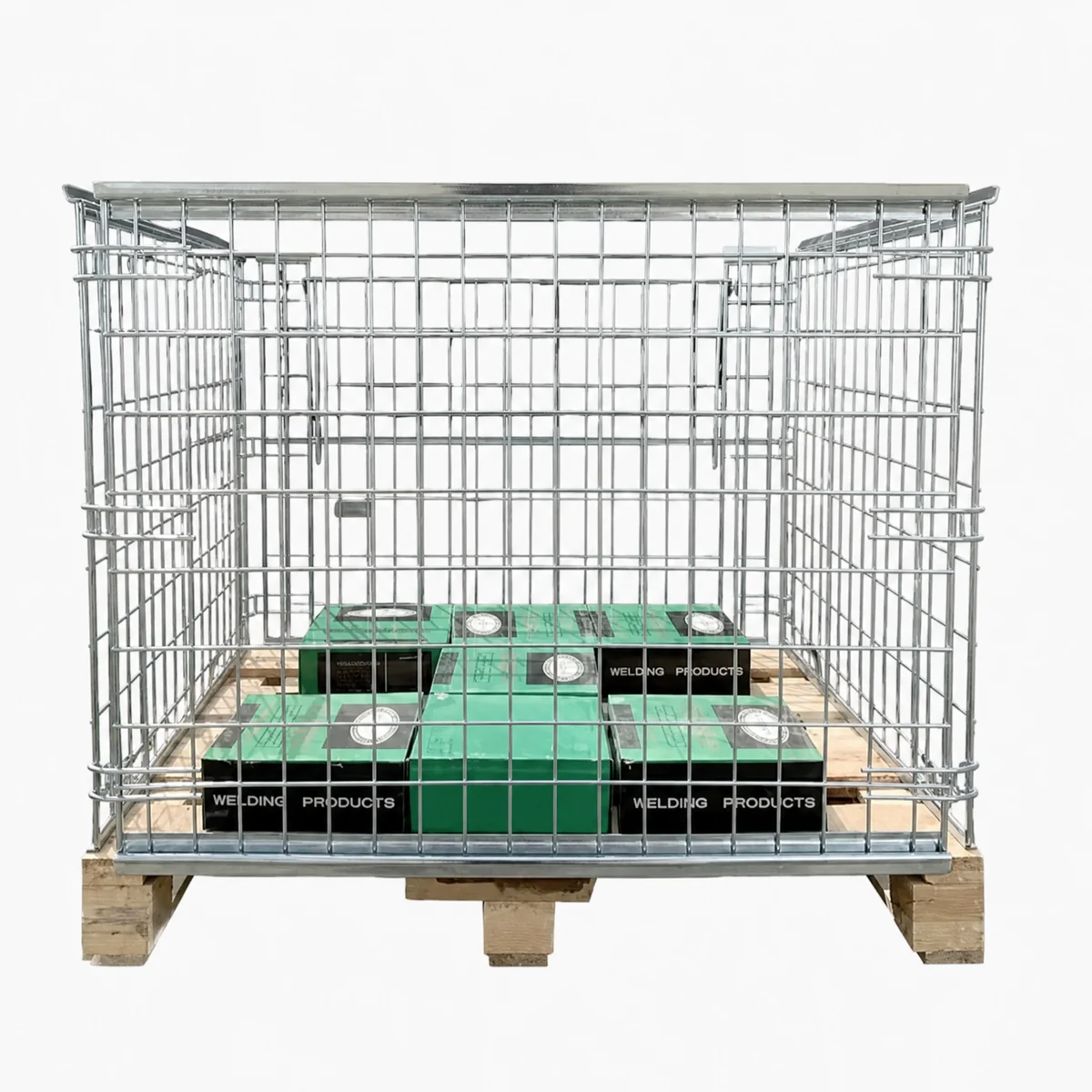
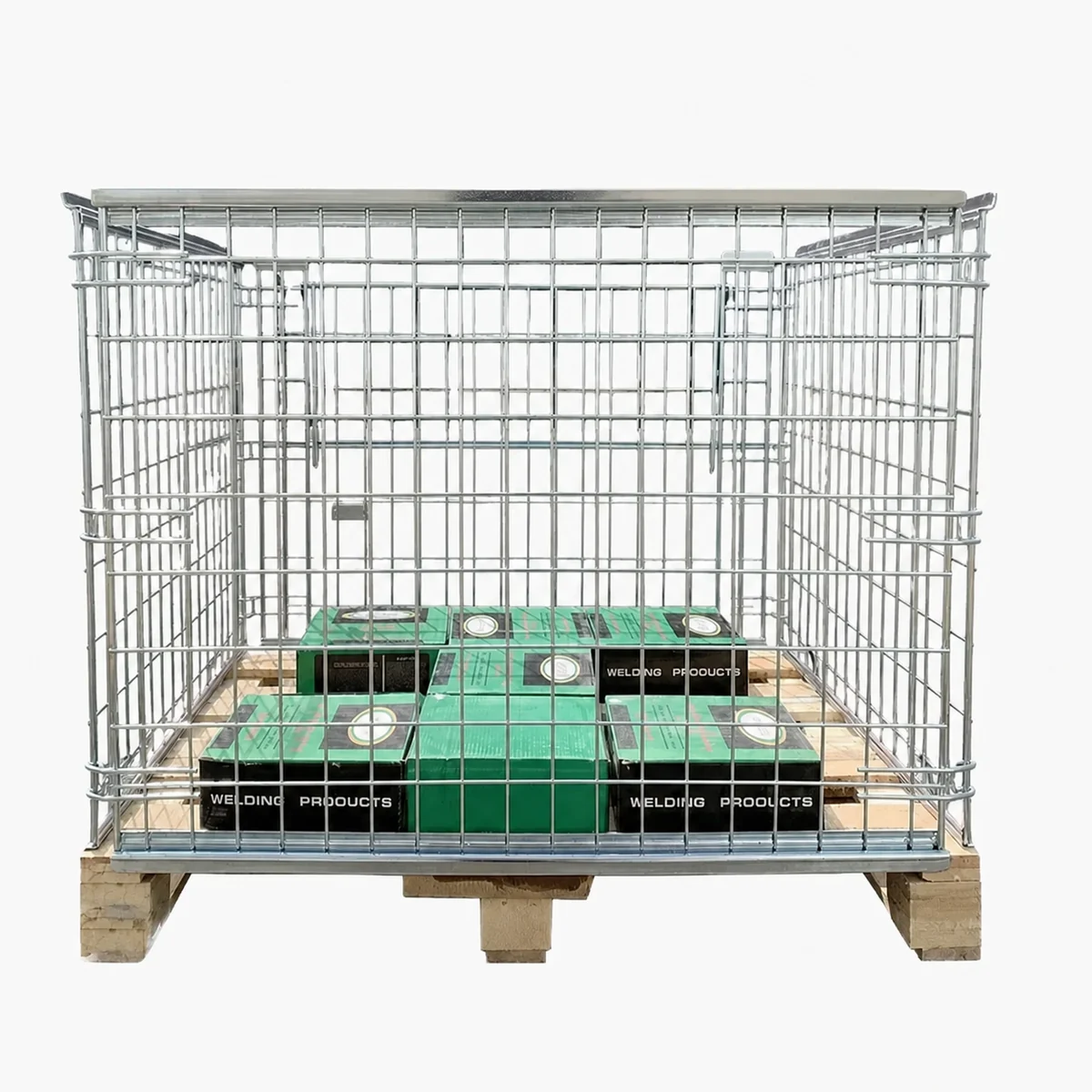
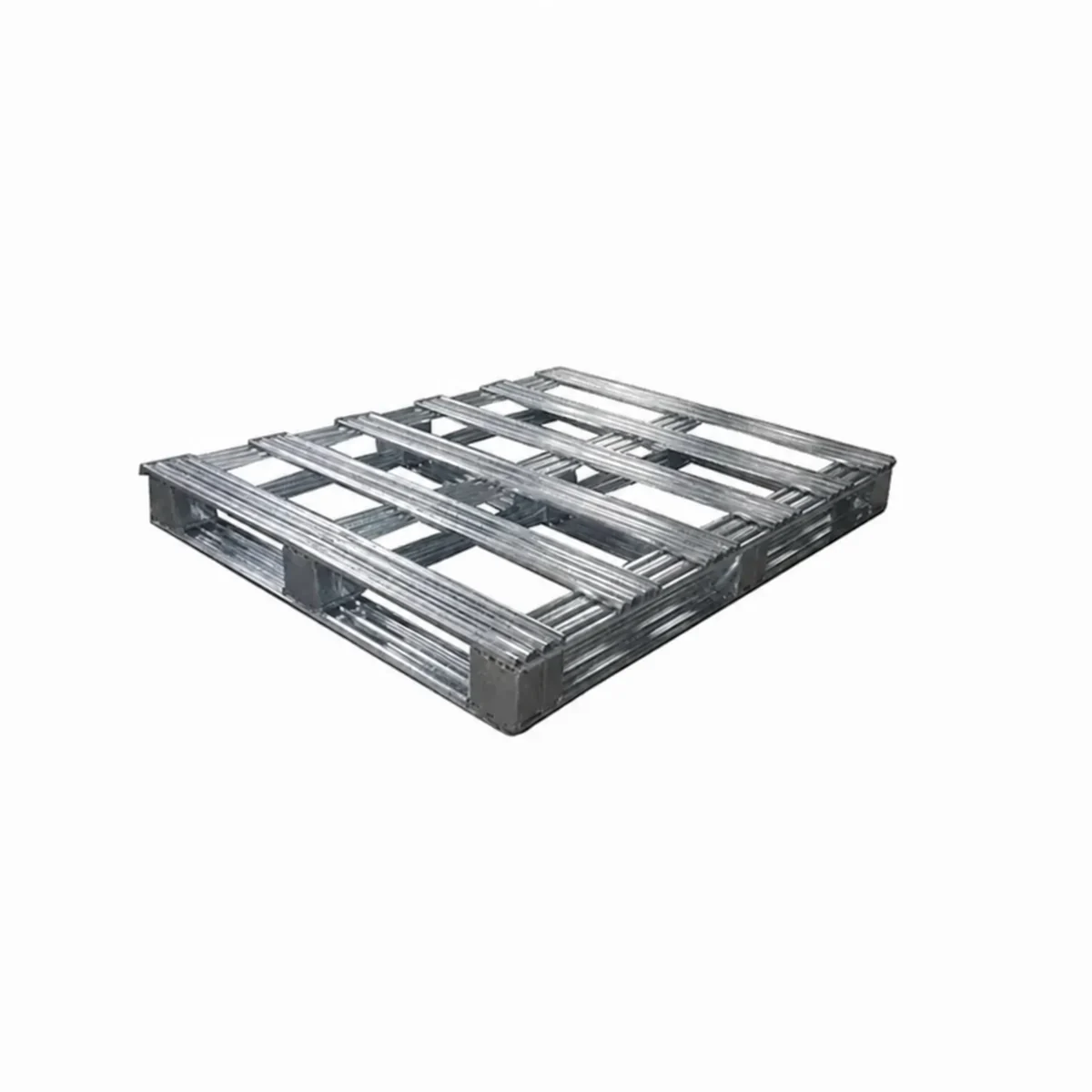
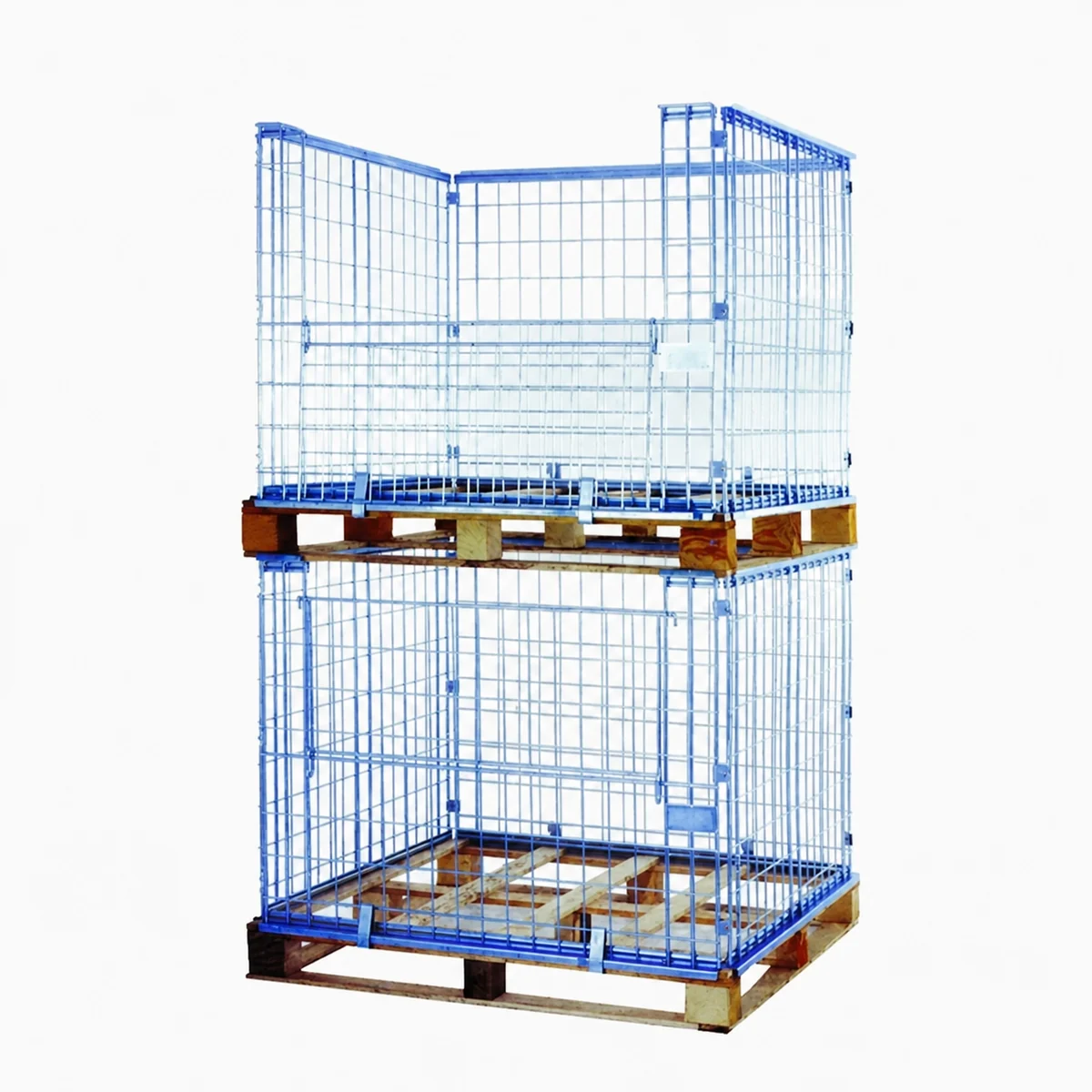
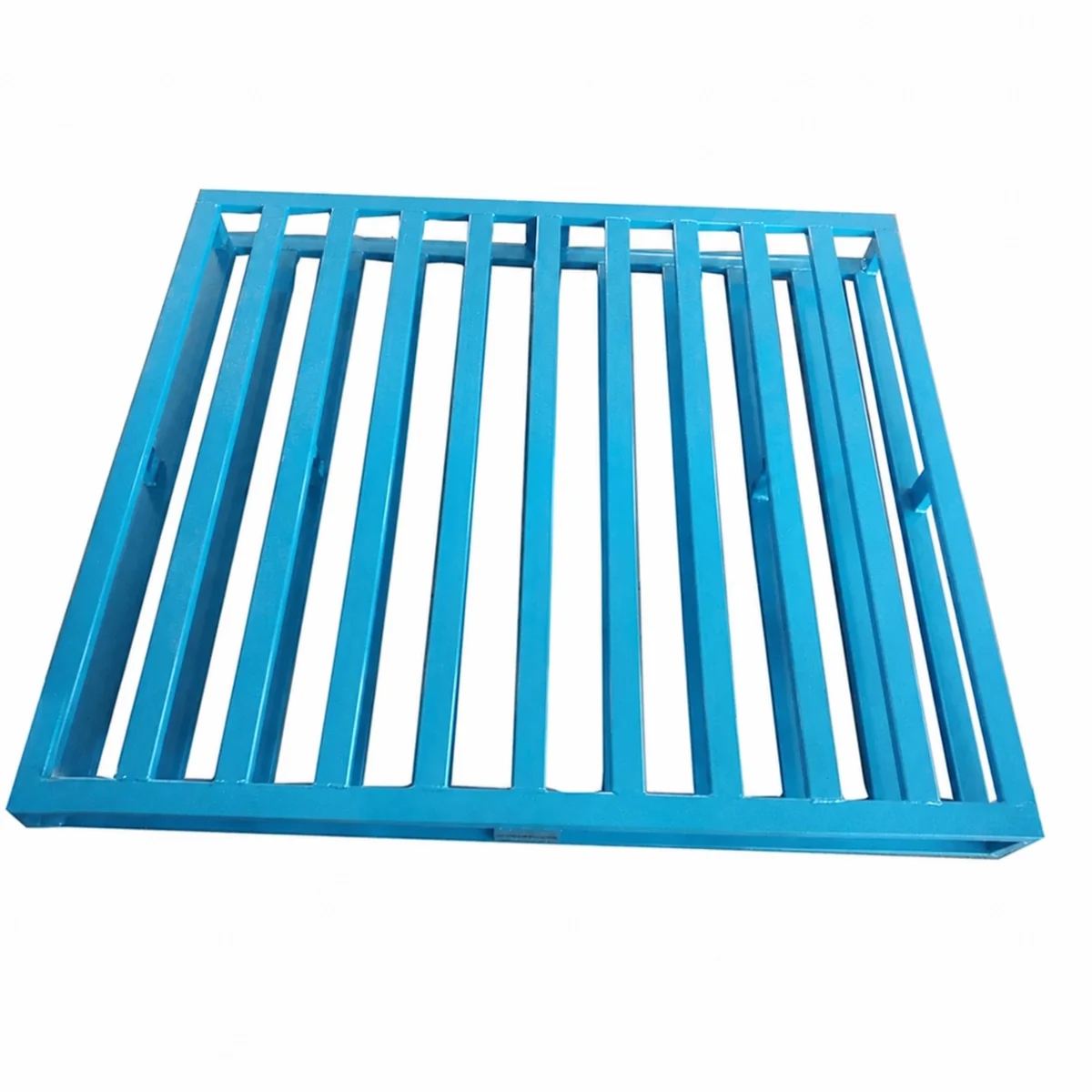
Illustrative product forms with project-specific captions
Procurement and qualification
Compare named processes and controlled scopes
Ask every supplier to identify the proposed finish process by name and to state the configuration, preparation, coverage scope, process or system documents, inspection criteria, limitations, and repair route. A comparison is only meaningful if every proposal is based on the same environment, handling contact zones, and product geometry. Do not treat a generic word such as galvanized as enough information for a purchasing decision.
Maintain the selected finish record with the configuration drawing, inspection requirements, and cleaning or repair guidance. This gives operations a practical reference when the pallet is used across different sites or when a repeat order needs to match the original treatment scope.
Frequently asked questions
Questions to resolve before requesting a quote
Is hot-dip galvanizing the same as electro-galvanizing?
They are distinct zinc-based processes and should be named separately in the project record. The selected scope, geometry, documentation, inspection, and repair route need to be confirmed with the supplier.
Can powder coating be specified by colour alone?
Colour is one part of the requirement. The project should also state exposure, cleaning, handling contact, coverage scope, visual acceptance, and the selected system documentation.
Which finish is best for a steel pallet?
The appropriate finish depends on the configuration, service environment, cleaning, moisture or contaminant exposure, contact wear, visual needs, and supplier-supported process information.
What should we send for a finish review?
Send the product drawing, environment description, cleaning routine, photos of handling/contact zones, any colour or identification requirement, expected maintenance method, quantity, and destination.