Buyer question
Turn the buying question into specific inputs
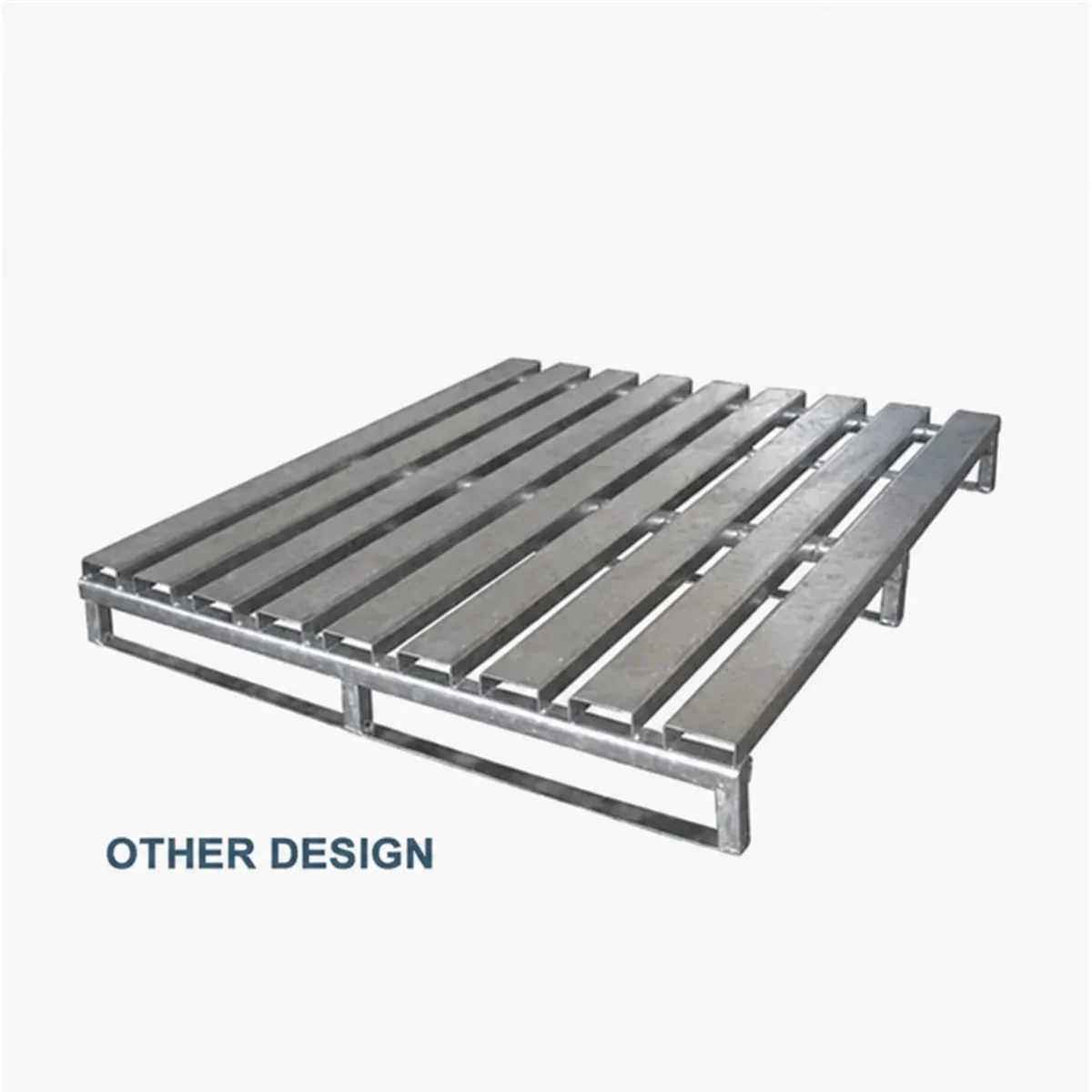
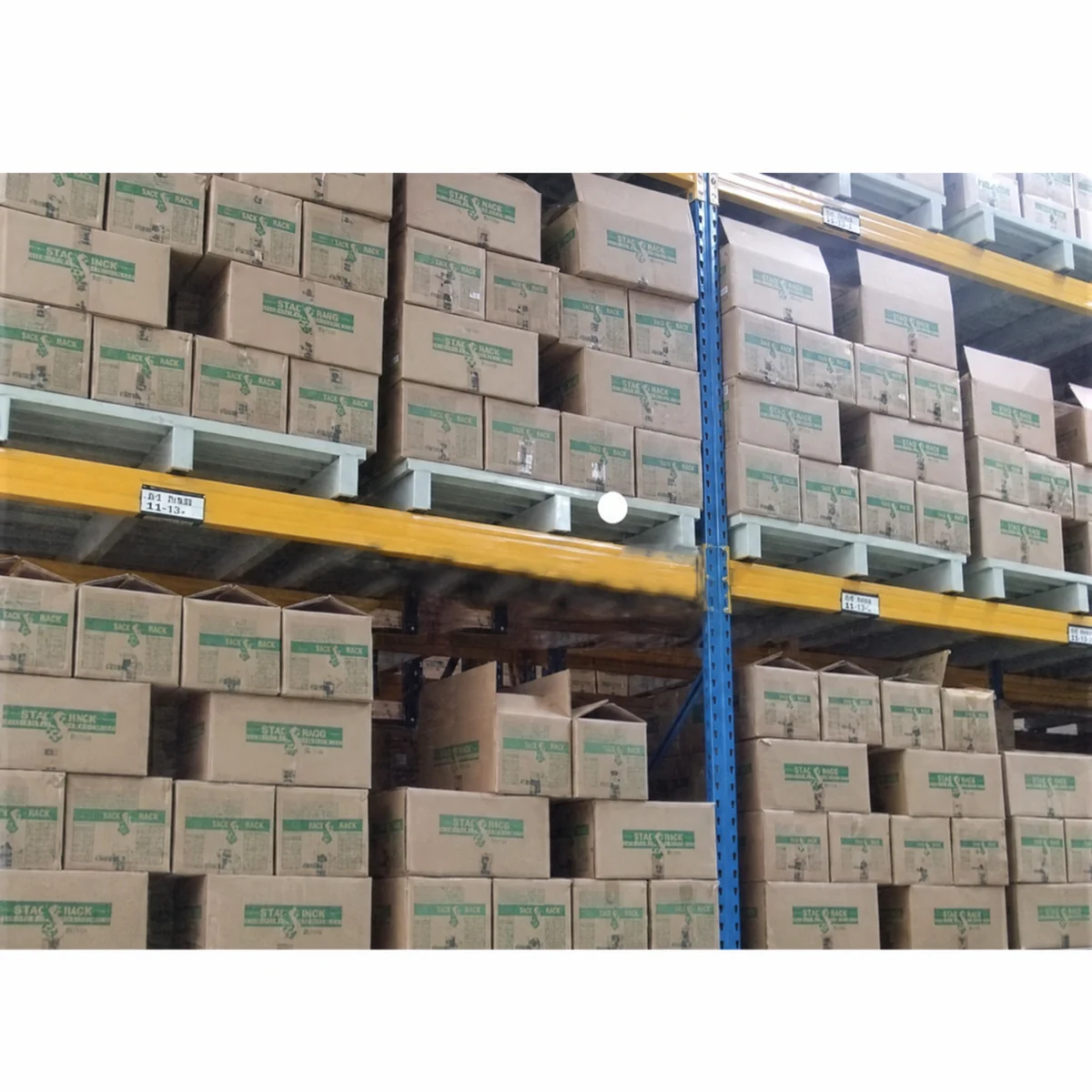
Common Pallet Rack Dimensions. This article treats the storage question as a relationship between the stored unit, support geometry, handling truck, access pattern, and layout facts that must be separated before a system is compared.
A rack category does not establish a final layout or site-specific technical value. The unit-load condition, support arrangement, truck route, operating clearances, stock pattern, and available site information should be recorded first.
Use this guide to record the visible facts that change a decision. A buyer does not need to predict a final technical value, but should distinguish what is known, what is required, and what needs review. Photographs, existing drawings, and a description of the current handling problem are useful evidence for that conversation.
A detailed drawing is helpful but not essential at the first stage. A part sketch, photo of the current unit, handling issue, or short process description can reveal the support points, entry directions, access needs, and packing questions that should be confirmed before any specification is treated as final.
Technical specification framework
Confirm the operating condition before publishing a product value
This table is a buyer checklist, not a catalogue datasheet. No exact dimensions, load values, material grades, coating values, packing quantities, or container quantities are stated until they are tied to a defined configuration and supporting record. Separate floor, fork-handling, racking, and stack conditions instead of reducing them to one capacity number.
| Material | Unknown; confirm material selection for the intended use condition. |
|---|---|
| Dimensions | Unknown; confirm the load envelope and required clearances. |
| Static floor load | Unknown; confirm floor support condition and load distribution. |
| Dynamic / fork handling | Unknown; confirm lifting method, contact points, and handling sequence. |
| Racking load | Unknown; confirm whether racking support is required and how the item is supported. |
| Stackability | Unknown; confirm whether units stack and how contact points are controlled. |
| Fork entry | Unknown; confirm handling equipment, approach direction, and clearance. |
| Surface treatment | Unknown; confirm environmental exposure and surface-contact conditions. |
| Packing | Unknown; confirm packing method and protection needs. |
| Container loading | Unknown; confirm whether container movement is within the intended workflow. |
| Racking suitability | Unknown; confirm support geometry against any intended racking arrangement. |
A useful quotation records the condition being considered and any assumptions or exclusions. If the unit will rest on rack beams, move on fork tines, stand in a loaded stack, or travel in a container, include each condition in the request. That prevents a value for one support arrangement from being mistaken for a value for another.
Decision inputs
Questions to answer before comparing options
Which unit-load dimensions, support points, truck details, access pattern, and layout constraints are known or still open? The aim is to make an RFQ or internal review more specific without treating a general guide as an approval or a rating.
Details that seem minor can change daily handling. Fork clearance affects entry. Product support points affect contact. A loaded stack and a rack beam place the unit in different conditions. A finish choice needs the actual exposure and contact pattern, not a generic label.
Applications
Where this product family is commonly considered
Different applications can use the same product family in different ways. A manufacturing plant may prioritise line-side presentation and returnable handling; a warehouse may focus on pallet compatibility, direct access, or storage density; and an export project may be driven by protection and container loading. The context should determine the design, not the other way around.
Quality control
Inspection linked to the supplied requirement
Quality control for industrial steel products begins with clear inputs. Incoming material condition, cut and formed parts, assembly alignment, welded joints, finish, function of moving or stacking components, and packaging condition can be reviewed at relevant stages. The final inspection should relate to the agreed dimensions, configuration, and visual or functional requirements, rather than to a generic claim of quality.
Where a project requires a particular inspection or documentation process, include it with the request. Bridgent will not assume or invent certifications, test values, or compliance statements that have not been confirmed for the product. That approach keeps the conversation technically useful for both the buyer and the manufacturing team.
Frequently asked questions
Questions buyers ask before requesting a quote
What should I capture from this article about common pallet rack dimensions?
Which unit-load dimensions, support points, truck details, access pattern, and layout constraints are known or still open? Record the facts that are known and identify the conditions that still need confirmation before treating a general guide as a project specification.
Can an image or drawing help clarify the question?
A drawing, photograph, marked-up layout, or description of the current handling sequence can make the buyer question more specific. Share only information you are authorised to provide.
How should I request a quotation?
Use the RFQ form with the product or unit-load dimensions, application, separate support conditions, quantity, destination, and any supporting files available.